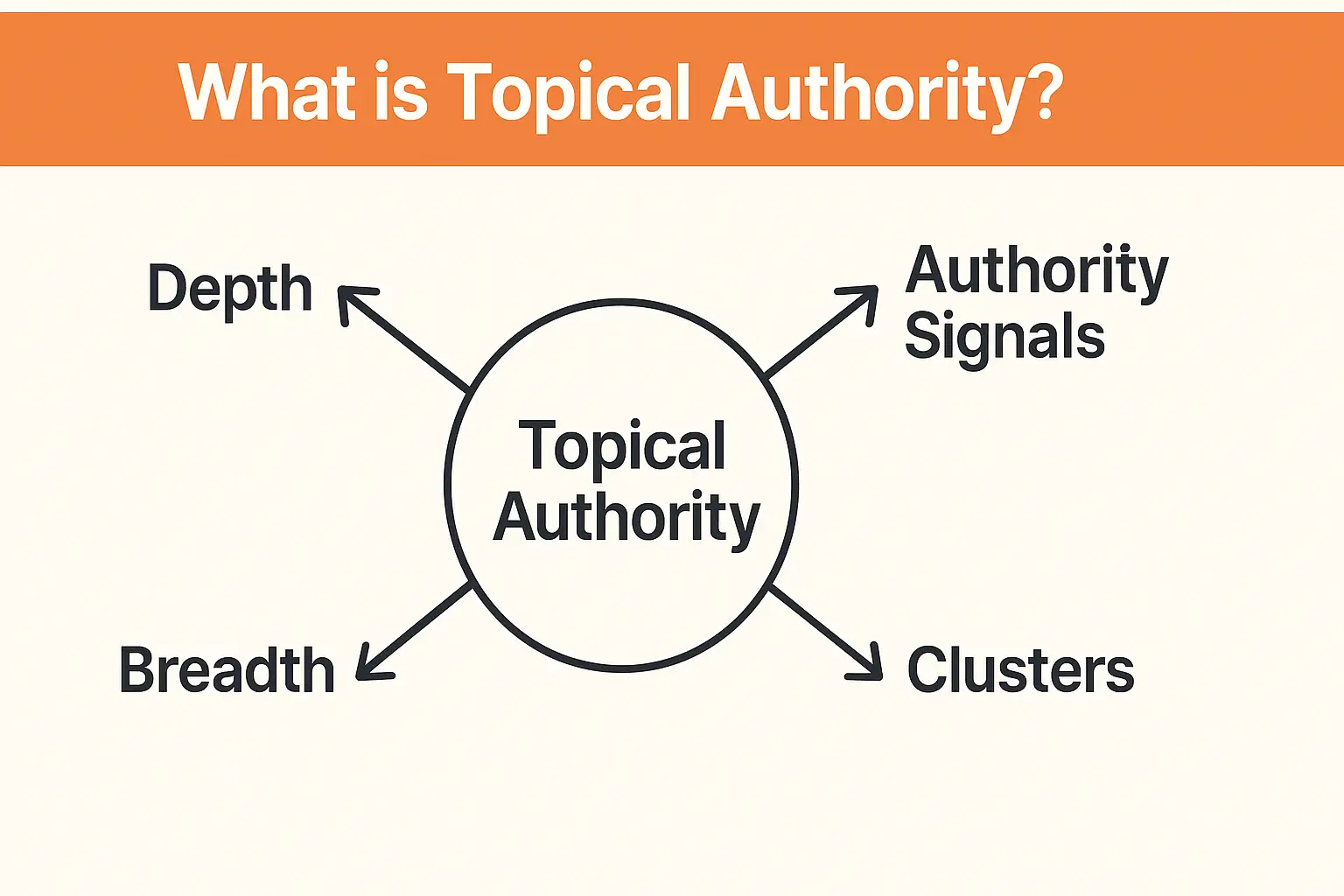
SEO world is changing fast but there's this one thing that's emerged as the ultimate differentiator: Topical Authority. Ranking success is no longer about stuffing keywords or collecting random backlinks. To dominate Google’s results, you must be recognized as the trusted expert in your field.
That’s exactly where Petbase.ai revolutionizes the game for pet shop owners and anyone running pet websites. Unlike generic SEO tools that simply churn out articles, we at Petbase.ai build authority. Every piece of content is part of a structured authority framework designed to push your brand into Google rankings and establish your site as the go-to source in the pet niche.
Instead of scattering disconnected blog posts, Petbase.ai creates content clusters that signal expertise to search engines. This systematic approach means your site isn’t just another pet website—it becomes an authority hub. And in 2025 and beyond, that authority is what determines whether you linger on page 5 or capture featured snippets, product visibility, and customer trust.
In short: we don’t just publish content, we build visibility, growth, and lasting rankings. That’s why topical authority isn’t just important—it’s the core of modern SEO.
To make this guide more digestible, we’ve divided it into two parts.
Part 1 focuses on what topical authority is, why it matters in 2025, and how Google’s ranking systems have evolved.
Part 2 will dive into the practical strategies, tools, and case studies you can use to actually build and measure topical authority.
Topical authority refers to how much credibility and expertise your website has on a specific subject. Think of it like this: if your site covers every single angle of a topic—answers every question, addresses every sub-niche, and provides in-depth value—Google sees you as a trustworthy source. That’s topical authority in action.
It’s not just about one blog post ranking; it’s about your entire content ecosystem signaling to Google, “Hey, we know this topic inside and out.” For example, if you run a fitness blog and cover strength training, you shouldn’t just write one generic post about it. You should have dozens of articles covering routines, nutrition, recovery, injury prevention, equipment reviews, and more. The more comprehensive your topic coverage, the more authority you gain.
What’s interesting is that you don’t need to be a big brand to build topical authority. Even a small site can outrank giants—if they go deep into one niche and build high-quality, interconnected content around it.
In 2025, Google is more focused on user experience and content quality than ever. With the rise of AI-generated content and Google's Search Generative Experience (SGE), they need stronger signals to determine which sources to trust.
Topical authority helps Google:
And here’s the kicker: topical authority works with Google’s E-E-A-T (Experience, Expertise, Authoritativeness, and Trust). When you have deep coverage on a subject, you naturally hit all these signals.
Also, in a post-AI world, user behavior matters. When users spend more time on your content, click on multiple articles, and return to your site, it reinforces to Google that you’re delivering value—and it boosts your rankings.
Google’s ranking algorithm isn’t the static beast it once was. Over the years, it’s undergone massive transformations to better understand human behavior, search intent, and content quality.
Let’s rewind quickly:
Now, Google wants to rank complete content ecosystems, not just one-off articles. That’s where topical authority shines—it gives Google the full picture.
Search has moved from “strings to things.” Meaning, instead of seeing “best running shoes” as a string of words, Google now sees it as a topic. If your site has detailed, helpful info on all aspects of running shoes, Google is more likely to push your content to the top.
Don’t get me wrong—keywords still matter. But they’re no longer the centerpiece. Google cares more about topics and how well your content covers them.
If you focus only on individual keywords, your site ends up fragmented. But when you group keywords into clusters around a single pet-related topic and build interconnected content, you start building topical authority.
Here’s an example:
Instead of targeting a single keyword like “dog food,” you build an entire cluster:
Each article strengthens your authority on dog food. Google starts to see your store’s site as a reliable hub for pet nutrition—and rewards you with higher visibility when local pet owners are searching.
E-E-A-T is Google’s shorthand for what they consider quality content:
Topical authority feeds directly into E-E-A-T. The more content you create around a niche—and the more value it delivers—the more your site reputation grows.
Google’s human quality raters even use these signals when reviewing search results. If you want to pass both human and algorithmic tests, topical authority is your best bet.
To gain topical authority, you need both depth (how detailed each article is) and breadth (how many aspects of the topic you cover). It’s like building a library. One shelf won’t do—you need an entire section on a subject.
Depth means:
Breadth means:
When you combine the two, your site becomes a complete resource—and that’s what Google loves.
Internal links are the glue that binds your topical authority. If you have 20 solid articles on a topic but none of them link to each other, Google struggles to understand the relationship between them.
With proper internal linking:
Use a hub-and-spoke model:
This structure doesn’t just help Google—it improves user experience too.
Publishing one amazing article isn’t enough. You need consistent output to build and maintain topical authority.
Google favours websites that regularly update and add valuable content. It signals that your site is alive and thriving - not a ghost town.
Set a publishing calendar. Stick to it. Update older content regularly. Over time, this builds a content moat around your niche - one that’s hard for competitors to penetrate.
That covers the foundations of topical authority—what it is, why it matters, and how Google evaluates it.
In Part 2 of this series, we’ll break down the strategies, tools, and real-world examples you can use to build topical authority and turn it into long-term SEO success.