Content Operations and Automation for Pet Stores Using Petbase


Table of Contents +
- Scenario: Scaling blog-to-product content without losing quality
- Set the core operating model in Petbase
- Workflow: research → draft → QA → link → publish
- Quick decision guide
- Monitoring: 7-14 days and 4-8 weeks
- Practical safety boundaries
- Evidence status: what’s well-supported vs. emerging
- Templates and examples
- Next steps and navigation
- Frequently Asked Questions
- References
Set up roles, QA workflows, and automation to research, write, link, and publish pet content at scale with Petbase for reliable pet eCommerce SEO.
Scaling pet ecommerce content requires structure, not guesswork. Many teams ship faster but sacrifice quality and alignment. That trade-off hurts margins and brand trust.
This guide shows a reliable, automation-first approach. You will learn how to assign roles, set QA safeguards, and wire internal links. You will also see how to monitor results and adjust without losing speed.
Scenario: Scaling blog-to-product content without losing quality
Constraints and desired outcomes
Most pet retailers face limited headcount, shifting seasonality, and complex catalogs. The goal is consistent, accurate posts that move readers from guides to products. Systems must prioritize topics, standardize voice, and reduce manual work, while maintaining factual integrity and legal safety.
Success metrics pet retailers may track
Focus on rank movement for targeted keywords, product page entrances from content, assisted revenue, and content-to-cart rate. Personalization and segmentation may raise engagement and conversion when executed responsibly in ecommerce contexts.[1]
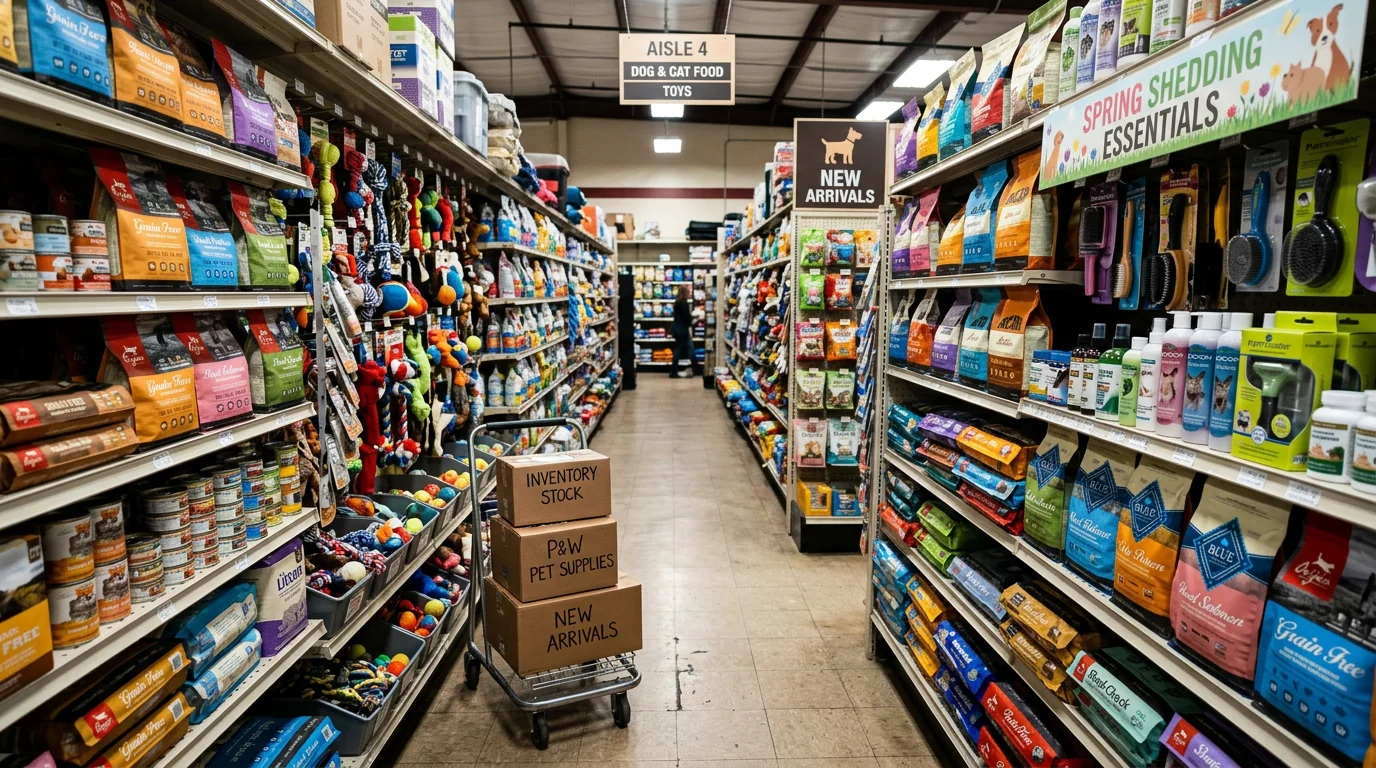
Petbase automates SEO content for pet stores - publishing 10 optimized articles monthly so you can focus on running your shop - start your free trial.
Set the core operating model in Petbase
Roles and permissions: who does what
Define a lean structure: Content Ops owner (workflow orchestration), SEO lead (research and mapping), Editor (QA and compliance), and Merchandiser (product link approvals). Assign publishing and rollback permissions carefully. Restrict medical or legal edits to qualified reviewers to reduce risk and escalation delays.
Source of truth: briefs, brand voice, and product catalogs
Centralize briefs, brand voice rules, internal link targets, and product catalogs in a single repository. A unified source may minimize drift and duplication across automated pipelines, improving reliability and auditability in ecommerce operations.[4]
Publishing cadence and seasonal calendars
Adopt a predictable weekly cadence, then layer seasonal spikes. Plan content around veterinary awareness periods, weather-driven needs, and gifting peaks. Use a rolling 90-day schedule tied to inventory forecasts and merchandising. For detail on timing, review the seasonal trend calendar.
Workflow: research → draft → QA → link → publish
Automated topic intake and prioritization
Start with a backlog sourced from search demand, inventory depth, margin, and seasonality. Use automated scoring to weight commercial fit and difficulty. Well-tuned pipelines that process inputs in near real time may reduce latency and throughput bottlenecks in content operations.[3] For operational ease, consider Petbase AI.
Draft creation with pet-specific guidelines
Template your briefs with search intent, target questions, vet review flags, and link targets. Include product positioning and merchandising notes. Enforce tone consistency, evidence-based statements, and structured headings. Pet content automation should honor brand voice while matching buyer intent across life stages and problem-solution journeys.
QA checklist before scheduling
Require two-pass QA: editorial accuracy and SEO compliance. Validate title tags, meta descriptions, schema blocks, and disclaimers. Confirm product availability and price display rules. Evidence suggests automated validations may reduce error rates when harmonized with human review in ecommerce pipelines.[4]
Internal linking to products and categories
Map each post to two to four high-priority products and one collection. Use descriptive anchors such as “grain-free senior dog food” and “large-breed chew toys.” Balance relevance and variety to avoid cannibalization. For patterns and safeguards, review the internal linking blueprints for pet retailers.
Quick decision guide
If X, then Y actions for fast choices
- If a topic shows rising demand and strong stock, prioritize it despite medium difficulty.
- If products are low on inventory, shift links to equivalent items or a category hub.
- If medical claims appear, route to qualified review and add disclaimers before scheduling.
- If draft CTR estimates are weak, retest titles and intros with two variants before publish.
- If internal links exceed four per post, reduce to top converters to maintain focus.
- If seasonality peaks within two weeks, expedite publication and cache updates now.
Monitoring: 7-14 days and 4-8 weeks
Early checks (crawlability, indexing, linking)
Within two weeks, confirm crawlability, indexing, and log-based error rates. Verify that internal links resolve correctly and pass equity. Validate rich result eligibility and add product schema where appropriate. Inspect coverage reports for duplication or soft 404 signals undermining freshness.
Mid-term checks (rank movement, CTR, assisted revenue)
At four to eight weeks, watch rank deltas on mapped keywords, blog-to-product entrances, and assisted revenue from relevant sessions. Compare CTR distributions by title variant. Time on page and click depth may indicate navigation success, particularly for internal linking for pet stores.

Practical safety boundaries
Editorial, medical, and legal guardrails
Flag veterinary topics for qualified review and attach disclaimers. Avoid prescriptive medical or legal advice. Cite primary sources where available. Maintain change logs for regulated claims. Limit autogenerated statements to vetted patterns, and use controls to prevent unreviewed updates from going live.
Brand, affiliate, and marketplace constraints
Respect brand voice, imagery rules, and affiliate disclosures. Localize tone and terminology thoughtfully; cultural adaptation in automated copy may improve conversion when aligned to market expectations and sensitivities.[2] Ensure marketplace policies on comparisons, pricing, and claims are reflected in your templates.
Evidence status: what’s well-supported vs. emerging
Areas with stronger evidence
AI-enabled personalization may enhance engagement and conversion in ecommerce, especially when guided by user intent and rigorous testing.[1] Stable, automated pipelines can improve timeliness and data integrity across content workflows, reducing manual errors and cycle time.[3]
Areas where evidence is emerging
Full-stack automation that unifies research, content generation, merchandising, and publishing shows promise. Integrations and governance patterns continue to mature, and results vary by vertical sophistication and oversight quality.[4]
Templates and examples
QA checklist template
Use this baseline before scheduling:
- Intent match confirmed; queries and subtopics addressed.
- Claims reviewed; medical or legal flags resolved; disclaimers added.
- Title, meta, headers, and alt text optimized; no duplication.
- Two to four product links plus one collection link verified.
- Schema, canonical, and indexability validated; preview tested.
Internal link mapping template
| Content Type | Primary Product Target | Secondary Product | Collection Link | Anchor Guidance |
|---|---|---|---|---|
| Life-stage guide | High-margin item A | In-stock alternative B | Relevant category | Descriptive, non-branded, problem-solution phrasing |
| Care checklist | Accessory C | Accessory D | Accessories collection | Action-oriented anchors tied to outcomes |
Weekly stand-up agenda
- Pipeline status: intake, drafting, QA, publish queue, blockers.
- Inventory and merchandising changes affecting links and CTAs.
- Performance snapshots: rank shifts, entrances, assisted revenue.
- Upcoming seasonality and experiments.
- Risk review: medical, legal, and brand exceptions.
Next steps and navigation
Where this fits in your content system
This workflow anchors pet store SEO workflows around a consistent operating model. It aligns research, drafting, QA, and linking with merchandising and seasonality. Add incremental automation only after guardrails and measurement are functioning reliably.
Link back to the strategic orientation hub
For prioritization logic, taxonomy, and cross-channel alignment, see the strategic orientation hub. It contextualizes pet ecommerce content decisions and helps you choose the most impactful next initiatives for growth.

Frequently Asked Questions
How many posts per month should a pet store publish with automation?
Evidence from niche eCommerce suggests 8-16 quality posts monthly may support steady topical coverage. Match cadence to catalog size, seasonality, and your QA capacity. Maintain consistency and avoid overextending editorial review resources.
Can automated content include veterinary guidance safely?
Use disclaimers and route medical topics through qualified review. Limit to general education and add citations where possible to reduce risk. Avoid diagnosis or treatment recommendations, and maintain version histories for accountability.
What KPIs indicate internal linking is working?
Watch product page entrances from blog, assisted conversions, time on site, and reduced orphaned URLs. Keyword-to-product relevance and click depth may also improve. Correlate link placements with session value and repeat behavior.
How long until rankings improve after automating content?
Early indexing may appear in 7-14 days, while meaningful rank movement often takes 4-8 weeks or longer. Competitive niches and new domains may take more time. Keep optimizing titles, links, and schema.
Does Petbase support multilingual publishing for global pet retailers?
Petbase supports multi-language content. Ensure hreflang and localized product availability to support discoverability and conversion. Confirm regional compliance requirements, and align tone with local expectations for trust and relevance.
Conclusion
Scaling pet content demands rigorous systems. Establish clear roles, define QA safeguards, and connect research to publishing with automation. Prioritize internal linking for conversion, not just navigation. Monitor early technical health and mid-term revenue signals, and expand only when guardrails hold. This disciplined approach may compound organic growth reliably for pet ecommerce content at scale.
References
- TK Vashishth et al. (2024). Enhancing customer experience through AI-enabled content personalization in e-commerce marketing. Advances in digital …. View article
- B Rolando (2024). Cultural adaptation and automated systems in e-commerce copywriting: Optimizing conversion rates in the Indonesian market. … Journal of Economics And Business Studies. View article
- O Ogunwole et al. (2022). Optimizing automated pipelines for realtime data processing in digital media and e-commerce. International …. View article
- Z Urinboev et al. (2025). AI-DRIVEN AUTOMATION FOR PERSONALIZED E-COMMERCE: A FRAMEWORK FOR STORE CREATION, CONTENT GENERATION, AND CUSTOMER …. Publishing House “Baltija Publishing”. View article