From Blog to Basket: Internal Linking Blueprints for Pet Sites

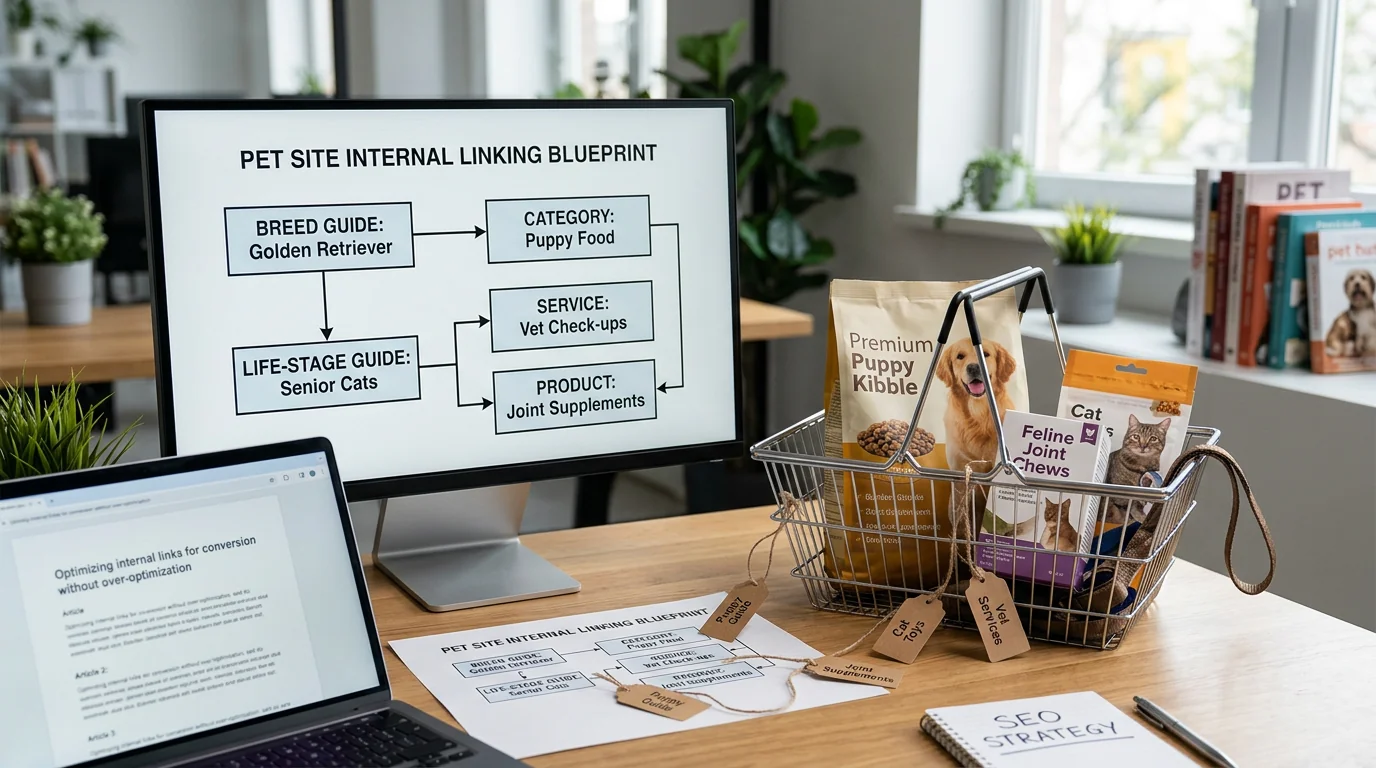
Table of Contents +
- Scope and scenario: linking breed and life-stage guides to commerce
- Blueprint A: breed guide → category → product
- Blueprint B: life-stage guide → bundle → services
- Blueprint C: problem/solution article → how-to hub → product comparisons
- Quick decision guide
- Monitoring guidance
- Practical safety boundaries
- Evidence status and confidence notes
- Cluster alignment and next steps
- Frequently Asked Questions
- References
Actionable internal linking patterns to connect breed and life-stage guides to categories, products, and services-without over-optimization.
Your breed and life-stage guides can do more than educate. They can move shoppers to the right categories, comparisons, and products without sounding promotional.
This matters because internal links guide both users and crawlers. Smart patterns may reduce friction and strengthen relevance. In this deep dive, you will learn practical link modules, anchor rules, and safe ranges that convert interest into action.
Scope and scenario: linking breed and life-stage guides to commerce
User paths to model: research → shortlist → add to cart
Model three intents: discovery, evaluation, and purchase. Discovery focuses on understanding needs. Evaluation compares categories or bundles. Purchase selects a product or service. Internal links should gently escalate intent with contextual cues and minimal friction. Structured navigation and internal relevance may also support search visibility by clarifying relationships between informational and transactional pages for crawlers and users alike.[4]
Anchor text standards that avoid over-optimization
Use descriptive, human-readable anchors that include an entity and qualifier. Alternate partial matches, synonyms, and attribute terms like size or life-stage. Limit any single anchor phrase to two uses per page. Evidence suggests semantic variance may distribute relevance while reducing risk. NLP-assisted mapping can help identify related terms and avoid repetitive exact-match anchors across templates.[1]
Petbase writes and publishes this kind of content automatically - 10 SEO articles per month for pet businesses - start your free trial.
Blueprint A: breed guide → category → product
Context blocks that map needs to shoppable destinations
Add a “For this breed” module directly after the first section. Include one category link and one comparison link, using varied anchors. Example: “durable play options for power chewers” to a toys category, and “compare tough toys by material” to a comparison page. Maintain breadcrumb trails that mirror category architecture. Ensure blog posts link up to relevant parent hubs and sibling guides for equity distribution and consistent pet ecommerce internal links.
Anchor variants and placement rules
For the first fold, use a needs-based category anchor. Mid-article, add a secondary category or comparison anchor during feature discussion. Near the conclusion, add a single product link if a hero SKU has stable stock and reviews. Rotate two to three anchor variants per target across the site. For category to blog interlinking, add reciprocal “learn and shop” snippets on category pages.
Blueprint B: life-stage guide → bundle → services
Checklist modules with embedded internal links
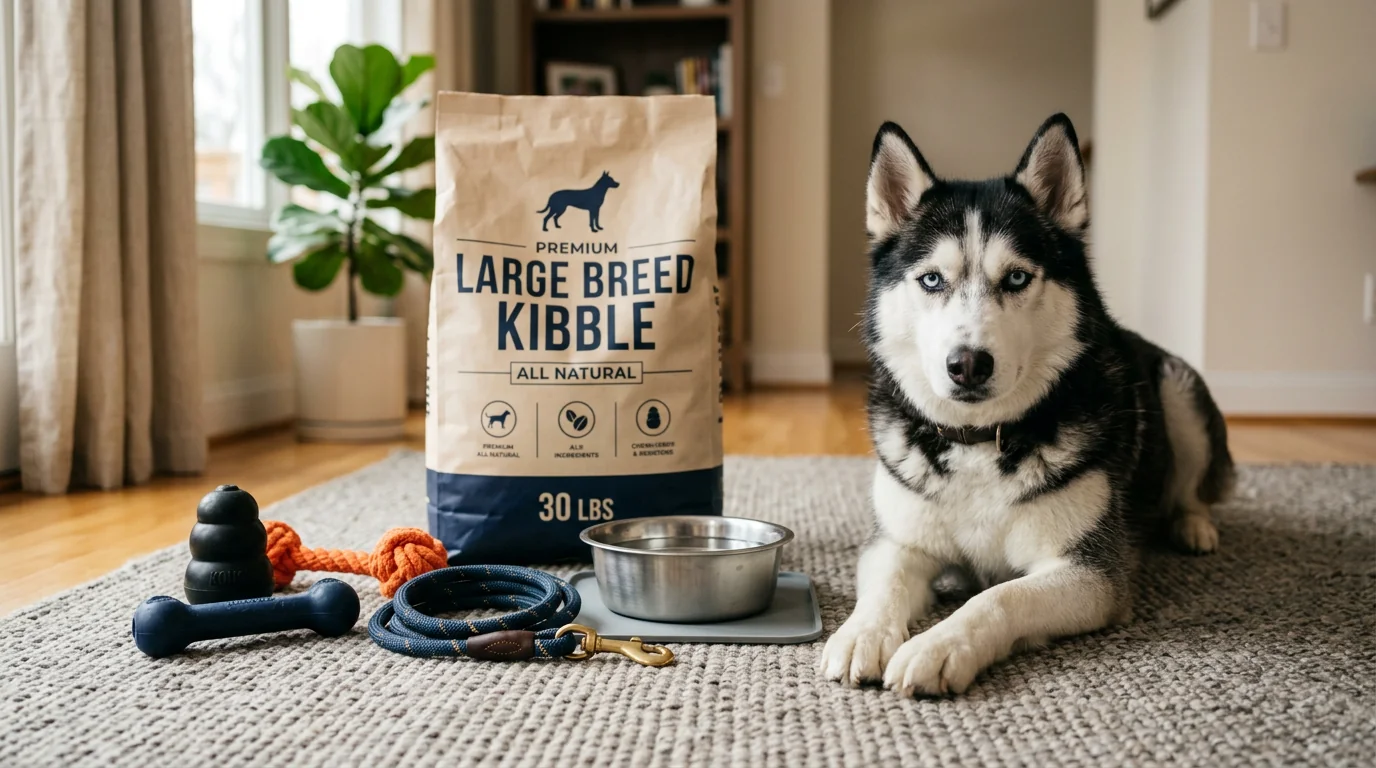
Insert a life-stage checklist block that embeds links to age-specific categories and one evergreen how-to hub. Keep anchors contextual, not exact matches. Example: “small-breed puppy food options” to the age-specific category, and “step-by-step training basics” to the how-to hub. Close with a “What to read next” block that links to two adjacent life-stage pages and, if location is detected, one service page with an intent-appropriate anchor.
Service geo-linking without cannibalization
Reserve transactional geo-anchors for service pages, such as “grooming services near [city].” On blogs, use informational anchors like “signs your dog needs grooming.” Add clear navigation, canonical tags, and breadcrumbs to separate intents. Evidence suggests this separation may reduce keyword cannibalization while preserving relevance for local service terms.[2]
Blueprint C: problem/solution article → how-to hub → product comparisons
Decision tables with category and comparison links
Use a decision table to route readers first to a how-to hub, then to a curated category or comparison. When a benefit-proven hero SKU exists, add one deep product link below the table with a benefit-focused anchor. Keep anchors succinct and attribute-led.
| Problem | How-to hub link (anchor) | Category/Comparison route |
|---|---|---|
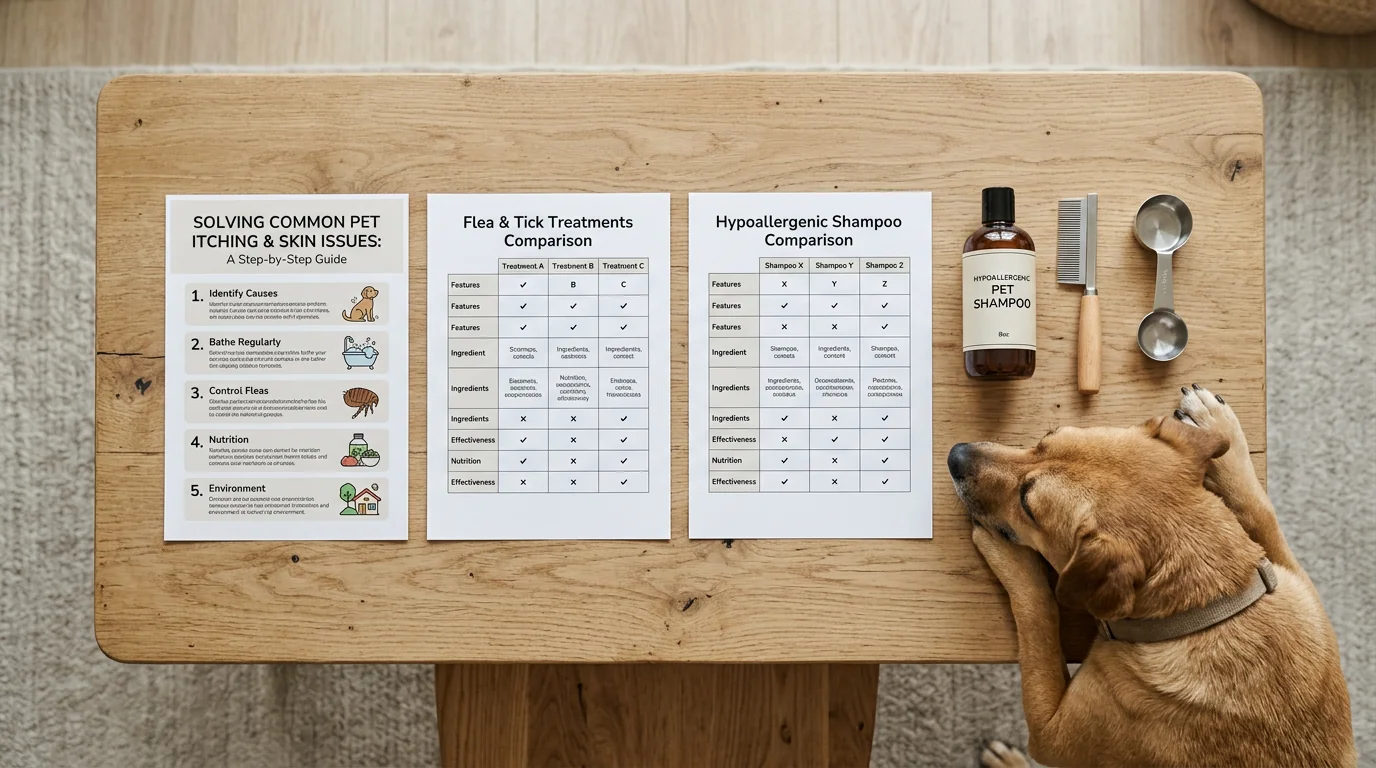
| Chewing destroys toys | “training for safe chewing basics” | “durable toy categories by material” → comparison list |
| Digestive sensitivity | “feeding transition and portion guidance” | “sensitive-stomach food category” → filters pre-applied |
| Shedding management | “home grooming essentials overview” | “brush types compared” → comparison page |
When to link to guides instead of products
Choose a guide when the reader appears early-stage, or when inventory is volatile. Link a single product only when availability, margin, and reviews are consistent. This breed guide linking strategy reduces broken paths and stabilizes conversion flow.
Quick decision guide
If X situation, then Y action (5-7 scenarios)
- If a breed guide exceeds 1,200 words, add a “For this breed” module after the first section with one category and one comparison link.
- If life-stage content mentions diet, embed a checklist item linking to the relevant age-specific food category and one evergreen training hub.
- If stock changes weekly, prefer category links and a comparison page over deep product links.
- If a hero SKU converts 2× site average for that segment, add a single contextual product link near conclusions.
- If location is detected, add one service link using transactional geo-anchors, and keep blog anchors informational.
- If category filters solve the problem, link to pre-filtered categories with descriptive anchors, not raw SKU lists.
- If multiple articles compete for similar terms, point them up to a central hub to consolidate intent.
Monitoring guidance
What to check after 7-14 days
Review click-through on link modules and scroll depth to the first “For this breed” block. Confirm breadcrumbs render and index. Inspect Search Console for new sitelinks and early impressions to comparison pages. AI-assisted internal linking audits may surface anchor repetition and orphaned nodes faster than manual checks.[1]
What to evaluate after 4-8 weeks
Measure assisted conversions from guide entrances, category page dwell, and comparison page exits to product. Track ranking volatility on informational versus transactional queries to detect cannibalization. Evidence suggests AI-driven content operations can streamline optimization loops and personalization at scale, which may stabilize performance trends.[3] For repeatable workflows, many teams find Petbase AI helpful for generating safe anchor variants and scheduled updates.
Practical safety boundaries
Anchor density and template guardrails
On 1,200-2,000 word guides, keep total internal links near 5-12. Limit product deep links to one per article unless merchandising evidence is compelling. Avoid repeating the same anchor more than twice. Use entity plus attribute anchors, not pure exact-match terms. Place early modules above the fold but maintain one line of context before the links.
De-duplication and crawl hygiene
Prevent duplicate anchors pointing to different URLs in the same article. Standardize category URLs, ensure canonical tags on filters, and collapse cruft parameters. Add reciprocal links from comparison pages back to relevant breed and life-stage guides with natural anchors, such as “size guide for medium breeds,” forming a bi-directional loop. Maintain clean pet ecommerce internal links to preserve crawl budget.

Evidence status and confidence notes
What research and benchmarks suggest
Structured internal linking that reflects user tasks may reinforce relevance and improve findability. Academic and practitioner research links internal architecture with visibility and user outcomes, although causality can be complex.[4] Programmatic and NLP approaches may support scalable, semantically varied anchors that reduce risk while preserving context.[1]
Where evidence is thinner and needs testing
Optimal link counts, exact anchor variance thresholds, and the lift from comparison pages can vary by catalog and seasonality. Marketing texts support structured navigation, but specific numeric ranges require testing in your dataset and templates.[2]
Cluster alignment and next steps
Link back to the topical authority strategy hub
Close each guide with a brief summary that references your topical authority strategy. Use breadcrumb trails to mirror your architecture. From comparison pages, add reciprocal links to the most relevant breed and life-stage guides. For planning categories and roles, see guidance on keyword mapping by breed, life stage, and intent and practical merchandising insights in the category-led clusters playbook. These connections keep discovery, evaluation, and purchase tightly aligned.
Frequently Asked Questions
How many internal links should a breed guide include?
Evidence suggests 5-12 well-placed links can work on 1,200-2,000 word guides. Prioritize 1-2 category links, 2-4 product or comparison links, and 1-2 hub links. Adjust based on length and readability.
What anchor text is safest for product links?
Use descriptive, varied anchors such as “chew-resistant toys for Huskies” or “small-breed puppy kibble” instead of exact-match repetitions. Rotate synonyms and include qualifiers like size or life-stage.
Should I link directly to products or to categories?
If stock changes often, category links may be more durable. When a hero product consistently converts, a contextual product link can help. Testing may indicate the better option for your catalog.
How do I avoid keyword cannibalization with service pages?
Reserve transactional anchors for service pages (e.g., “dog grooming in Austin”) and use informational anchors for blogs. Add canonical and clear nav paths to reinforce intent separation.
Do comparison pages help with internal linking?
Comparison pages may support mid-funnel decisions and can act as strong internal targets. Link to them from breed and life-stage content when shoppers need side-by-side clarity.
Conclusion. Internal linking for pet sites works best when every module respects intent. Use needs-based anchors, guide users from education to evaluation, and offer a single, confident product nudge when evidence supports it. Monitor, iterate, and protect templates with guardrails to scale safely.
References
- T Suresh (2025). Natural language processing for internal link optimisation: Automating content relationships for better search engine optimisation. Journal of Digital & Social Media Marketing.
- S Das (2021). Search engine optimization and marketing: A recipe for success in digital marketing. 2021 - api.taylorfrancis.com. View article
- C Malaikani et al. (2026). AI AND DIGITAL MARKETING FROM AUTOMATION TO PERSONALIZATION. researchgate.net. View article
- D Mladenović et al. (2023). Search engine optimization (SEO) for digital marketers: exploring determinants of online search visibility for blood bank service. Online information …. View article