On-Page SEO Checklist for Pet Brands: Titles, Meta, Media, and E-E-A-T


Table of Contents +
- Scenario: You’re publishing or refreshing 10-50 pet product/service pages this month
- Quick decision guide
- Titles and meta: intent-matched, breed-safe, and character-tight
- Headers and copy: unique, scannable, and free of duplicate catalog blurbs
- Media and alt text: descriptive, accessible, and compliant
- Trust and E-E-A-T: bios, policies, and real-world proof
- Monitoring: what to check after 7-14 days and 4-8 weeks
- Practical safety boundaries
- Evidence status
- Checklist: page-level steps you can copy into your CMS
- Frequently Asked Questions
- Next step: connect this checklist to your broader strategy
- References
Practical on-page SEO checklist for pet brands: titles, meta, headers, alt text, media, and E-E-A-T signals. Improve relevance, trust, and rankings.
Your pet pages deserve to rank and convert without endless rewrites. Ship faster with a reliable on-page workflow that protects quality.
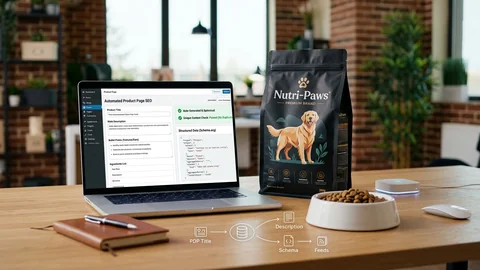
On-page precision influences visibility, click-throughs, and trust. It matters when you scale launches across multiple product and service pages. Here, you will learn a focused, repeatable optimization flow for titles, meta, headers, unique copy, alt text, and trust elements tailored to pet eCommerce SEO.
Scenario: You’re publishing or refreshing 10-50 pet product/service pages this month
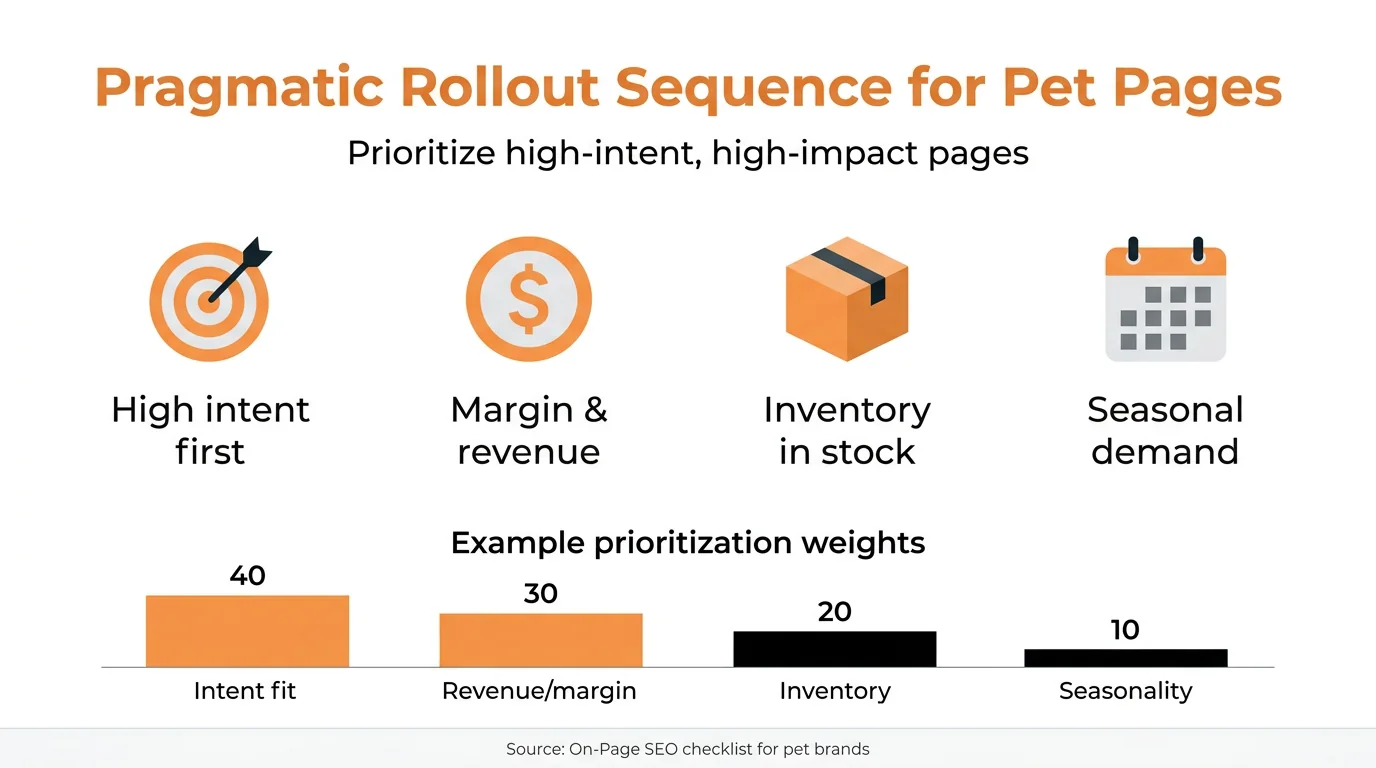
Use a pragmatic sequence to reduce rework and prevent duplicate content or missed intent.
Scope and page types to prioritize first
Prioritize highest-intent money pages: core products, top service offerings, and top categories by demand. Consider margin and inventory availability to avoid ranking items you cannot fulfill. Use analytics to flag underperforming pages with impressions but low CTR for quick uplift opportunities.
Workflow overview: draft to live without losing quality
Draft titles and meta, then lock H1/H2s, then write unique descriptions and alt text, and finally add trust elements. Use templates and a brief checklist per page. For batch drafting, teams may use Petbase AI to generate initial copy and standardize fields before editorial review.
Petbase builds this SEO foundation automatically for pet businesses - 10 optimized articles published every month - start your free trial.
Quick decision guide
Resolve page-level choices rapidly with conditional rules aligned to search intent.
If X, then Y actions for fast page-by-page decisions
- If transactional intent dominates, prioritize benefit-forward titles and pricing snippets in meta.
- If informational intent appears, surface guides, sizing, and care details in H2s.
- If high impressions but low CTR, tighten titles and clarify differentiators.
- If duplicate variants exist, canonicalize and add variant-specific copy.
- If thin content flags arise, expand with FAQs and materials details.
- If ambiguous keywords persist, choose specificity that matches user context for relevance gains[2].
How to resolve conflicts between brand voice and SEO clarity
Lead with brand tone in headlines, but ensure clarity in titles and H1s. Place poetic phrasing in supporting copy, not core labels. When voice and clarity conflict, choose clarity; testing shows relevance and specificity often drive measurable outcomes[2].
Titles and meta: intent-matched, breed-safe, and character-tight
Craft SEO titles and meta descriptions that serve user intent and comply with character constraints.
Title patterns for products, services, and guides
Use compact patterns: Product: [Species/Type] + [Primary Benefit] + [Material/Size]. Service: [Service] + [Location/Availability] + [Outcome]. Guide: [Action] + [Species/Life Stage] + [Qualifier]. Keep 50-60 characters where possible. Avoid breed claims unless responsibly substantiated to maintain accuracy and trust[1].
Meta descriptions that add benefits, proof, and pet specifics
Summarize tangible benefits, materials, fit, and any shipping or returns signals. Stay within 150-160 characters. Incorporate social proof, certifications, or testing notes where appropriate. Clear, relevant meta may support CTR and perceived relevance in competitive SERPs[1].
Headers and copy: unique, scannable, and free of duplicate catalog blurbs
Prevent duplication and match pet-owner questions with clear header hierarchies.
H1-H3 structures that match pet-owner questions
H1: Product or service name with key modifier. H2: Benefits, sizing and fit, materials and care, and FAQs. H3: Variant details, safety notes, and returns. This structure aligns with common decision questions and supports pet page SEO optimization clarity across catalogs.
Unique descriptions for variants, sizes, and life stages
Create a shared base paragraph, then add variant lines covering size, materials, fit, and life-stage suitability. Reference measurement charts and care instructions. For deeper conversion guidance, see matching breed, size, and life-stage intent on product pages to align copy with user needs.
Media and alt text: descriptive, accessible, and compliant
Optimize images and videos to inform shoppers, reduce returns, and improve accessibility.
Alt text that reflects pet species, use-case, and material
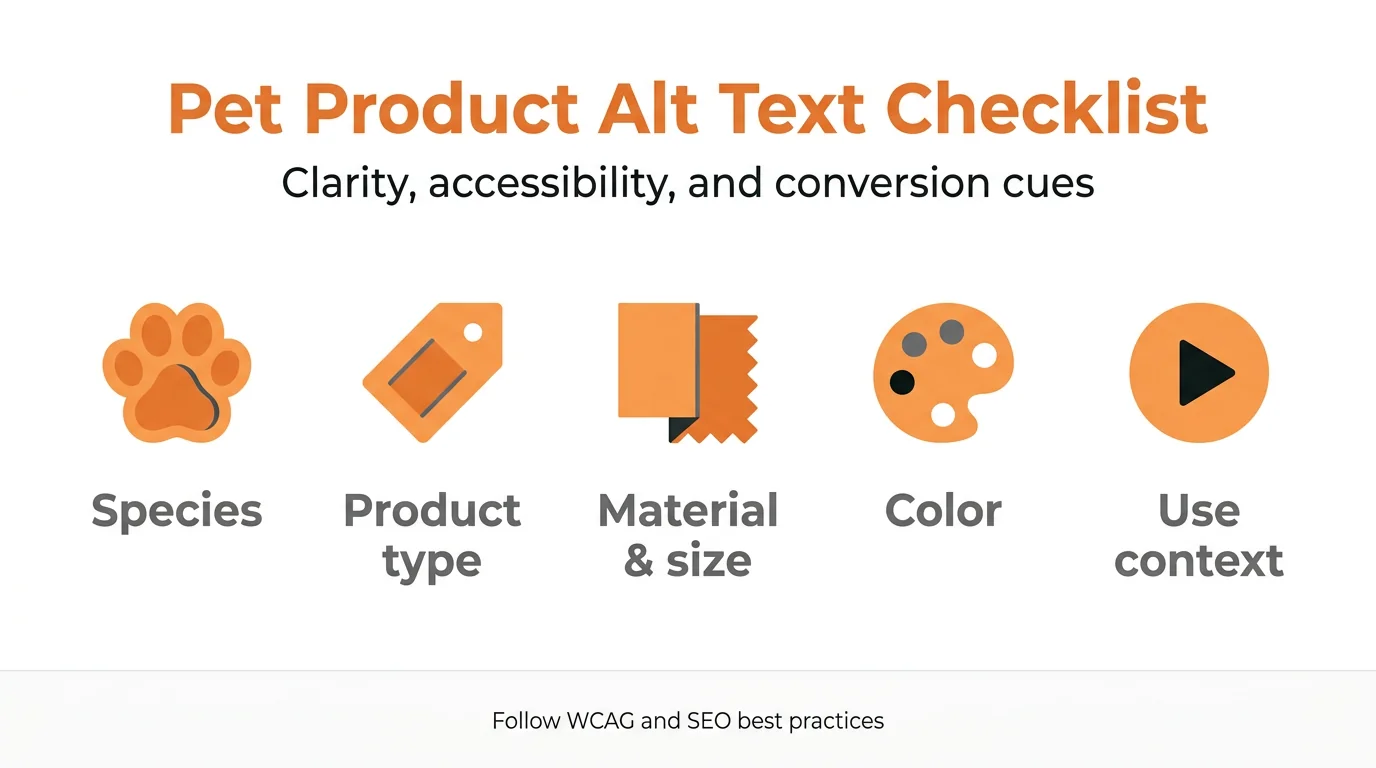
Write SEO alt text for pet products with concise detail: species, product type, material, size, color, and context of use. Example: “Feline scratching post, sisal rope, 24-inch, natural wood, living room.” Avoid stuffing, and ensure accuracy for accessibility compliance and relevance.
Image/video optimization and placement for engagement
Compress images, use modern formats, and load critical visuals early. Include 360° or usage clips near sizing sections to reduce uncertainty. Mark up assets in product structured data for pet catalogs to support rich results where eligible and keep media adjacent to decision-driving copy.
Trust and E-E-A-T: bios, policies, and real-world proof
E-E-A-T for pet brands may be supported by transparent authorship, review processes, and policies.
Author and reviewer metadata for pet health or training topics
Provide author bios with credentials, role, and relevant experience. For health or training claims, include expert review notes and timestamps. Link to detailed profiles and an “About Petbase” or legal notice page for transparency, such as About Petbase.
Policies, UGC, and third-party signals that may support trust
Display returns, shipping, and warranty policies near CTAs. Include verified reviews, usage photos, and certifications or test results when available. Clear governance and consistent signals may support user confidence and SEO outcomes over time[4].
Monitoring: what to check after 7-14 days and 4-8 weeks
Measure iteratively to isolate on-page wins versus seasonal or catalog effects.
Short-term indicators (impressions, CTR, duplication flags)
After 7-14 days, review impressions and CTR in Search Console, title truncation, and indexation coverage. Check duplication via site audits for meta and on-page blocks. Consider a topical explorer to confirm coverage gaps and align with tracked themes[3].
Medium-term indicators (rank movement, engagement, returns)
At 4-8 weeks, assess rank movement, session depth, add-to-cart rate, and returns related to sizing clarity. Attribute lifts to specific changes. For measurement frameworks, see tracking Pet Page SEO performance and ROI and escalate winning patterns to similar pages across your catalog.
Practical safety boundaries
Protect users and your brand with clear thresholds and review triggers.
Claims, medical disclaimers, and age/breed sensitivity
Avoid medical or behavioral claims without validation. Use disclaimers for health-related statements. Flag age and species sensitivity for materials, dosing, or usage. Phrase cautiously: “may support,” “designed to,” “formulated for,” and include links to policies and safety guidance where appropriate.
When to require expert review before publishing
Require expert review for nutrition, health, training, or safety guidance. Trigger review if copy includes dosage, contraindications, or device claims. For global rollouts, add localization review to respect regulations and ensure consistency in pet eCommerce SEO messaging.
Evidence status
Anchor decisions in available research while testing context-specific hypotheses.
What current guidance and studies suggest about on-page factors
Research highlights content relevance, structure, and metadata clarity as meaningful ranking influences alongside other signals. Titles and descriptions that reflect user intent can support visibility and engagement when implemented consistently at scale[1][4].
Where evidence is mixed and should be tested cautiously
Optimal title length, exact-match keywords, and meta description impacts on ranking show mixed findings. However, matching query specificity and intent often correlates with improved outcomes, warranting controlled experiments across page types[2][3].
Checklist: page-level steps you can copy into your CMS
Apply this compact, repeatable flow to each SKU or service page.
10-minute pre-publish sweep
- Title: intent, benefit, and specificity in 50-60 characters.
- Meta: value, proof, and policy hint within 150-160 characters.
- H1-H2s: match questions; remove catalog boilerplate.
- Copy: add variant lines; materials and care.
- Alt text: species, product type, material, size, context.
- Trust: author/reviewer metadata and clear policies.
Weekly batch QA for multi-page rollouts
- Detect duplicates in titles, meta, and intro paragraphs.
- Confirm canonicalization for variants and discontinued items.
- Validate product structured data and media compression.
- Spot-check E-E-A-T for pet brands: bios, review notes, and updates.
- Record changes, then monitor impressions and CTR weekly.
- Escalate successful patterns to similar page clusters.
Frequently Asked Questions
How long should pet product titles be for SEO?
Evidence suggests titles that fit 50-60 characters often display well and may support CTR. Include species, primary benefit, and a differentiator without stuffing.
What makes good alt text for pet images?
Describe the subject and context: species, product type, material, size, and use. Avoid keyword stuffing; aim for clarity that aids accessibility and relevance.
Do pet pages need author bios for E-E-A-T?
For health, nutrition, or training advice, an author bio and expert review may support trust. Include credentials, role, and a link to a detailed profile page.
Should meta descriptions include prices or shipping info?
Including price ranges, shipping timelines, or returns may improve CTR for transactional intent. Keep within 150-160 characters and avoid misleading claims.
How do I avoid duplicate descriptions across pet variants?
Write a unique base paragraph and add variant-specific lines (size, breed fit, materials). Canonicals or structured data can clarify relationships where needed.
Next step: connect this checklist to your broader strategy
Sequence your rollout by intent and revenue impact. Start with top-selling services and SKUs, then extend to adjacent categories. Link between informational guides and product pages to guide discovery and strengthen internal relevance; review patterns weekly and scale winners.
How to sequence rollouts and link to the Pet Page SEO Optimization hub
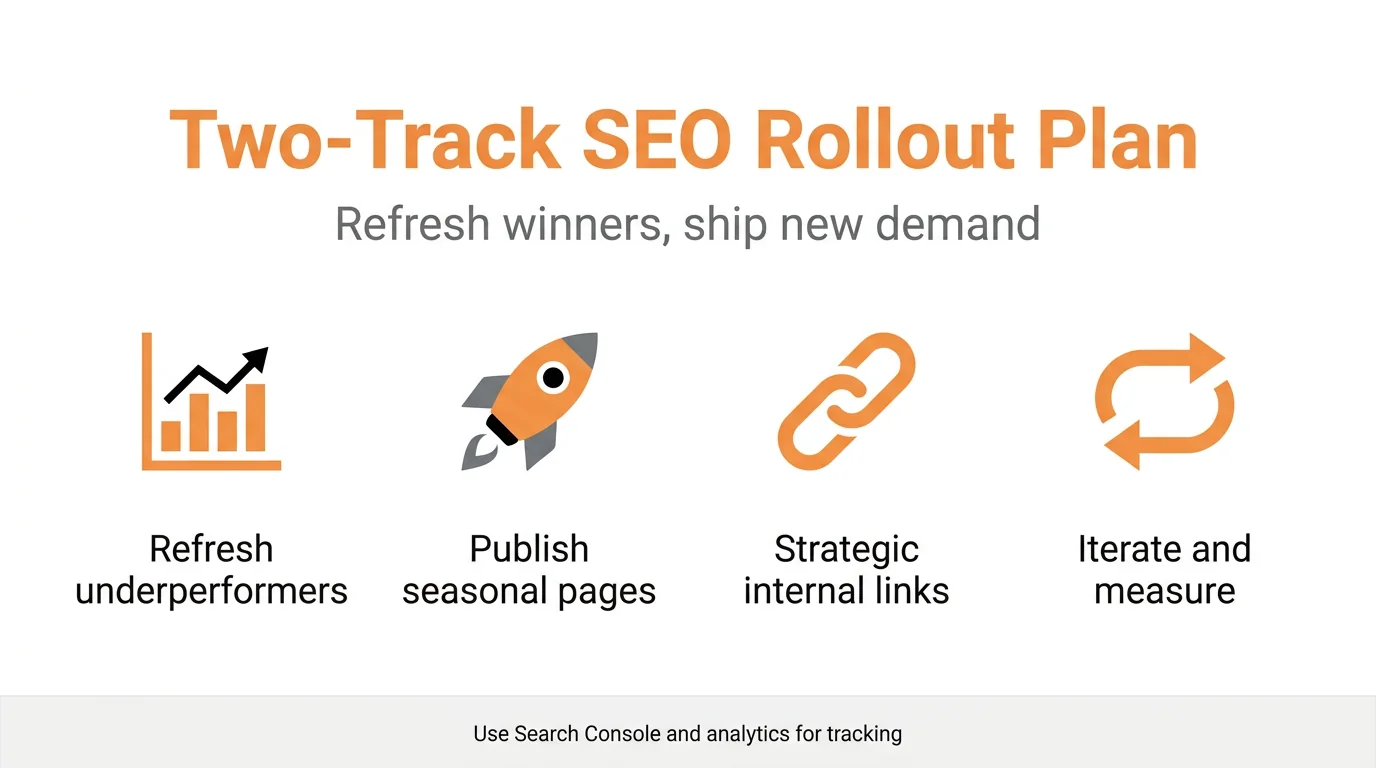
Adopt a two-track plan: refresh high-impression underperformers, then publish new pages aligned to seasonal demand. For a broader framework, see the orientation guide at Pet Page SEO Optimization: The Complete Orientation Guide and connect to your internal hub at Pet Page SEO Optimization hub. For schema depth, leverage Schema for Pet Pages and use ROI tracking from Measure What Matters to prioritize ongoing improvements.
References
- C Ziakis et al. (2019). Important factors for improving Google search rank. Future internet. View article
- M Nagpal et al. (2021). Keyword selection strategies in search engine optimization: how relevant is relevance?. Journal of retailing. View article
- IC Drivas et al. (2020). Big data analytics for search engine optimization. Big Data and Cognitive …. View article
- S Das (2021). Search engine optimization and marketing: A recipe for success in digital marketing. 2021 - api.taylorfrancis.com. View article