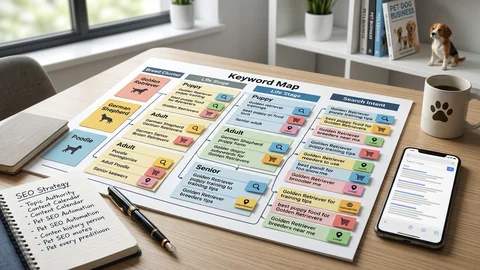
Pet Keyword Research: Breed, Life Stage, and Condition Modifiers That Drive Traffic


Table of Contents +
- Why Modifiers Matter in Pet Keyword Research
- Building a Pet Modifier Taxonomy
- Repeatable Research Workflow
- Search Intent Mapping for Pet Queries
- From Keywords to Outlines: Breed, Stage, and Condition Examples
- Prioritization Framework for Pet Brands and Retailers
- Programmatic and Multilingual Considerations
- Editorial Quality, Compliance, and E-E-A-T
- Frequently Asked Questions
- Conclusion
- References
Learn pet keyword research using breed, size, life stage, and condition modifiers. Map intent, analyze SERPs, and build repeatable workflows for traffic growth.
Broad pet queries rarely convert. The real growth comes from modifiers-breed, size, life stage, condition, and the job a searcher wants to accomplish. This article shows how to discover and prioritize those modifiers, analyze intent, and build a repeatable workflow that turns research into high-performing product and blog pages.
You will learn a practical taxonomy, SERP analysis cues, and templates you can scale across catalogs without cannibalization or thin duplication. By the end, you can operationalize a modifier-first approach that strengthens topical authority and lifts conversion quality.
Why Modifiers Matter in Pet Keyword Research
Modifiers sharpen relevance and signal readiness to act. They reduce ambiguity, align content with real-world needs, and help you win long-tail rankings where competition is lighter. Use them to filter audience, product fit, and outcomes.
How specificity turns broad pet queries into qualified traffic
Specificity narrows the audience to shoppers with a clear need, raising click-throughs and conversion rates. “Dog food” is anonymous; “grain-free food for small-breed adults” reveals size and life-stage constraints, brand fit, and readiness to compare options in the category.
Common modifier classes: breed, size, life stage, condition, job-to-be-done
Cover five classes: breed modifiers SEO, size bands, life stage keywords, pet condition keywords, and verbs that encode jobs-to-be-done-solve, compare, choose, troubleshoot, maintain. Prioritize intersections where your catalog and expertise are strongest.
For broader context on messaging and formatting, see the pet content writing guide that frames how modifiers roll up into page structures.
Petbase builds this SEO foundation automatically for pet businesses - 10 optimized articles published every month - start your free trial.
Building a Pet Modifier Taxonomy
Taxonomy prevents duplication and accelerates clustering. Define rules for grouping and canonical naming so every page knows its scope, adjacent hubs, and anchor targets.
Breed and size: grouping by FCI/AKC categories and weight classes
Organize breeds under FCI/AKC groups and map size by weight thresholds (toy, small, medium, large, giant). This supports filters, comparison pages, and consistent internal linking from breed to size to nutrition hubs.
Life stage: puppy/kitten, adult, senior, and reproductive status
Define discrete stages-growth, maintenance, senior care, and reproductive status. Each stage implies nutrient density, product form factors, and care cadence, enabling precise on-page recommendations and faceted navigation.
Conditions: allergies, sensitivities, mobility, dental, behavioral
Cluster condition topics with clear definitions, contraindications, and product compatibility. Behavioral queries often carry emotional load and urgency; content should be empathetic and evidence-based to build trust and reduce friction.
Jobs-to-be-done: solve, compare, choose, troubleshoot, maintain
Map verbs to templates: solve (guides), compare (vs pages), choose (best-of lists), troubleshoot (FAQs), maintain (checklists). This makes SERP analysis for pet brands faster and keeps page intent unambiguous.
Repeatable Research Workflow
A consistent workflow yields consistent wins. Combine expansion, SERP validation, scoring, and de-duplication to scale across categories without sacrificing quality.
Seed expansion: from head terms to modifier combinations
Start with head terms per category, then layer modifiers systematically. Use a combinatorial approach:
- List top breeds, sizes, life stages, and conditions.
- Generate verb-driven jobs-to-be-done.
- Combine into phrases, dedupe, and normalize.
- Validate with autosuggest, People Also Ask, and forums.
For teams automating product-linked content generation from approved seeds, many find Start Now helpful for this task.
SERP features and intent signals: images, PLAs, forums, YMYL
Identify dominant features: shopping carousels, top stories, image packs, and forum threads. Behavior and medical topics trigger YMYL expectations; credibility and clarity reduce bounce, especially on condition pages under stress or uncertainty.[2]
Volume, difficulty, and opportunity scoring specific to pet niches
Use a lightweight scoring model to rank candidates by fit and feasibility. Weight signals that reflect your pet SEO strategy.
| Factor | Description | Suggested Weight |
|---|---|---|
| Search Volume | 12-month average with seasonality flags | 25% |
| Difficulty | Domain/page competition, SERP richness | 20% |
| Product Fit | In-stock SKUs, variant coverage | 25% |
| Margin | Gross margin or LTV proxy | 15% |
| Internal Links | Hub/cluster support potential | 15% |
De-duplication and canonical phrasing across regions (US/UK/DACH)
Normalize spelling and units, select a canonical (“hypoallergenic dog food” vs “allergenic-friendly”), and localize on subfolders. Interest spikes, such as adoption booms, can skew trends across regions-check baselines before committing resources.[1]
Search Intent Mapping for Pet Queries
Intent determines page type, component layout, and CTAs. Read SERPs like product managers: what the page must accomplish and how it should guide the next action.
Informational vs. commercial vs. local intent in pet SERPs
Listicles, how-tos, and forum threads signal informational; filters, PLAs, and category breadcrumbs indicate commercial; map packs and GMB profiles reveal local. Travel-related pet queries often blend local and transactional intent.[3]
Template library: blog guides, comparison pages, product pages
Match intent to templates: guides for care/conditions, “best” lists for choose/compare, and category/product pages for purchase. Add conversion modules: featured products, fit guides, and FAQ accordions to reduce friction en route to basket.
When to pivot to programmatic templates vs. handcrafted articles
Programmatic works for stable, structured modifiers (breed x size x life stage). Handcrafted wins where nuance, citations, and expert voice matter-especially medical or behavioral topics requiring depth and empathy for readers under stress.[2]
Internal anchors to turn intent into journeys
Use descriptive anchors from guides into category filters and related posts. For execution patterns that turn keywords into product-led content, adopt a hub-and-spoke structure with consistent anchor text and breadcrumb conventions.
Takeaway: Intent-first mapping prevents mismatched pages, lowers bounce, and unlocks higher SERP positions on long-tail modifier clusters.
From Keywords to Outlines: Breed, Stage, and Condition Examples
Turn vetted queries into briefs with clear claims, sources, and product connections. Below are outline patterns that preserve accuracy and conversion momentum.
Example 1: “best dog food for French bulldogs with allergies”
Outline sections: breed-specific anatomy and sensitivities, allergy triggers, ingredient exclusions, vet-reviewed criteria, and top recommendations with pros/cons. Add links to your allergy-friendly food category and related education like hypoallergenic diet guides.
Example 2: “indestructible chew toy for pitbull puppies”
Cover jaw strength, puppy safety, material durability tests, size selection, and supervision best practices. Include model comparisons, warranty notes, and size-fit charts. Link to tough-toy product pages and training posts on safe chewing habits.
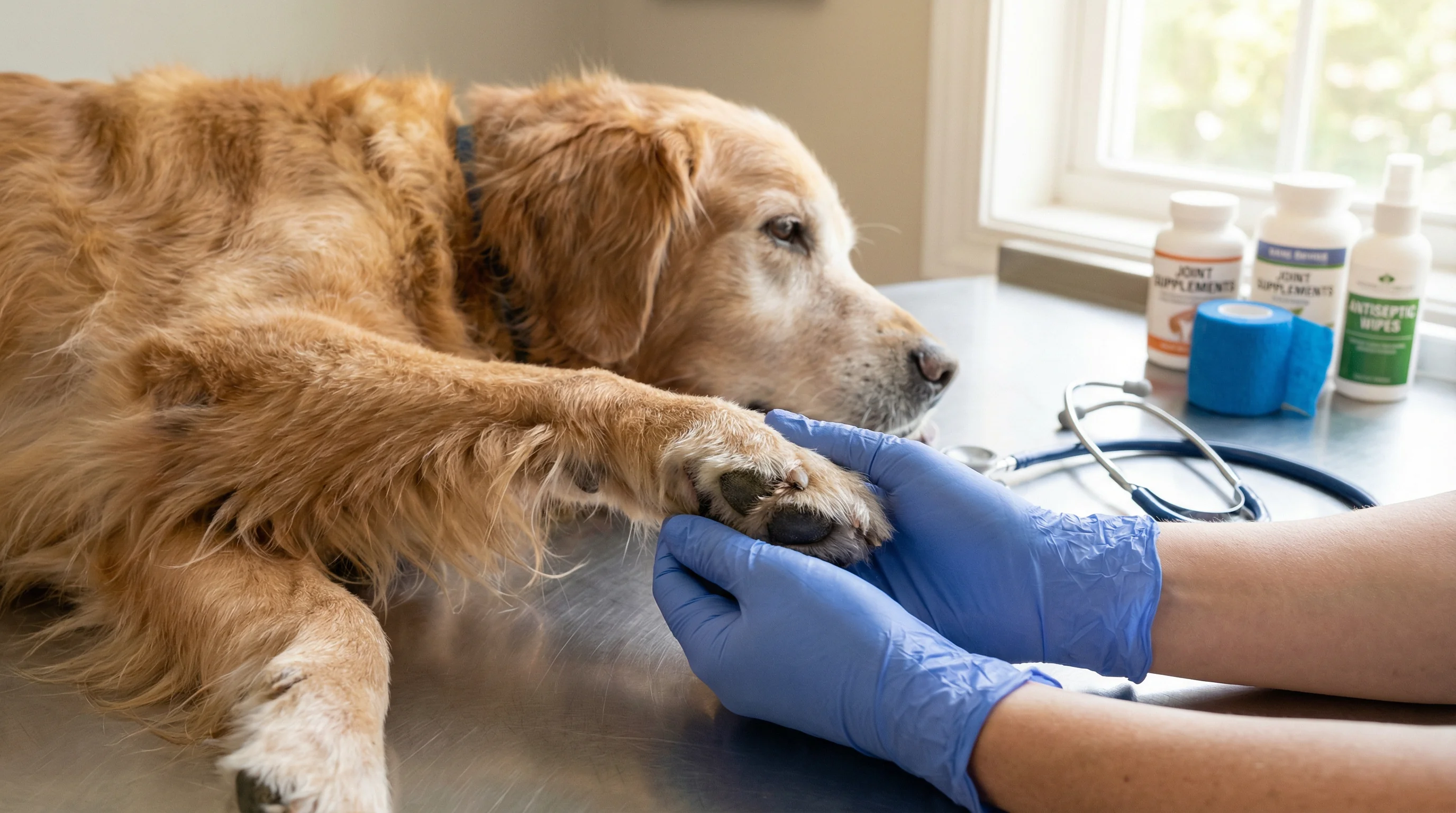
Example 3: “senior cat joint supplements vet recommended”
Explain aging joints, active ingredients (e.g., glucosamine), dosage ranges, and interactions. Include vet-reviewed guidance and cautionary notes. Link to joint-support collections and adjacent content on mobility, ramps, and comfort accessories.
Outline elements: E-E-A-T, medical disclaimers, sourcing, schema
Include expert bios, citations, and a medical disclaimer. Add product, FAQ, and Article schema. Owners often use human-centric phrases like “vet recommended,” reflecting anthropomorphic perceptions that shape search behavior.[4]
Prioritization Framework for Pet Brands and Retailers
Prioritize where you can win and profit. Blend traffic potential with product readiness, margin, and link support from hubs and buying guides.
ICE/RICE scoring with product availability and margin weighting
Use ICE or RICE scores augmented by SKU coverage, price competitiveness, and expected gross margin. A lower-volume, high-margin condition cluster can outdeliver a high-volume, low-margin commodity niche on ROI.
Overlap with catalog depth and seasonality
Choose clusters where you carry multiple sizes, flavors, or formats for robust recommendations. Track seasonality (e.g., shedding, travel, gifting) to time launches and refresh content before demand peaks for maximum capture.
Measuring traction and iterating on winning modifiers
Monitor rankings, CTR, assisted conversions, and attachment rates on recommended products. Expand winning clusters with adjacent modifiers and internal links to deepen authority, then measure content performance and ROI quarterly.
Programmatic and Multilingual Considerations
Scale responsibly with guardrails that protect quality and avoid cannibalization. Programmatic pages must still serve a real intent and include unique, valuable components.
Safe patterns for scalable breed/size/life-stage pages
Template unique elements: nutrition tables by weight, fit calculators, stage-specific FAQs, and breed care tips. Rotate featured products by availability and reviews to keep pages fresh and conversion-oriented.
Localizing modifiers (US/UK/DACH) without keyword cannibalization
Separate locales by subfolder, align spelling/units, and avoid duplicate intent across markets. Use hreflang and localized FAQs for regional concerns; for playbooks on rollout, see Multilingual Pet Content: Localizing for US, UK, and DACH.
Structured data for products, FAQs, and medical topics
Implement Product, FAQ, and Article schema; add medically related structured data where appropriate. This supports rich results and trust signals on YMYL conditions, improving discoverability and click propensity.
Editorial Quality, Compliance, and E-E-A-T
Quality and compliance are competitive advantages. Treat condition and behavior topics with care, clarity, and rigorous sourcing.
Veterinary review and claims substantiation for condition topics
Use evidence-based recommendations, label claims accurately, and include contraindications. Vet review improves credibility and aligns with YMYL expectations, particularly on sensitive behavioral or health guidance.[2]
Author bios, citations, and update cadence standards
Provide expert bios and dated updates. Cite reputable journals or guidelines and revisit pages quarterly or with product changes. Transparent sourcing reduces confusion when trends shift or seasonal spikes alter demand baselines.[1]
Image, video, and comparison component guidelines
Use clear, breed/size-labeled images, short fit videos, and spec tables. Comparison modules should be scannable, highlighting materials, sizes, and care needs. This supports both discovery and decisive action on commercial pages.

Frequently Asked Questions
What are modifier keywords in pet SEO?
Modifier keywords add specificity-such as breed, size, life stage, or condition-to core pet queries. They align content with higher intent and typically improve click-through and conversion.
How do I map pet keywords to the right page type?
Check SERP signals: listicles and how-tos indicate informational posts; product carousels and filters suggest category or product pages; map local intents to service/location pages with local schema.
Should I create separate pages for each breed and life stage?
Create pages where demand and differentiation exist, using a scalable template. Avoid thin duplication by tailoring nutrition, fit, care tips, and FAQs per breed or stage and consolidating near-duplicates.
How do I handle medical or condition keywords responsibly?
Use evidence-based guidance, cite reputable sources, add veterinary review when possible, and include disclaimers. Implement medical-related schema and keep pages updated.
How can I prioritize which pet keywords to target first?
Score by search volume, difficulty, product fit, margin, and internal linking potential. Start where your catalog and expertise overlap with clear SERP gaps you can win.
Conclusion
Modifier-first research operationalizes precision: breed, size, life stage, condition, and job-to-be-done sharpen relevance and elevate conversions. Anchor your pet SEO strategy in a taxonomy, validate with SERP analysis for pet brands, and map intent to templates that convert. Scale with programmatic safeguards, localize responsibly, and reinforce E-E-A-T with expert review and structured data. Continue with internal playbooks on clustering and briefs in Pet Blog Templates and Briefs: 12 Ready-to-Use Outlines for Fast Publishing to move from research to production efficiently.
References
- J Ho et al. (2021). Did the COVID-19 pandemic spark a public interest in pet adoption?. Frontiers in Veterinary Science. View article
- K Buller et al. (2020). Living with and loving a pet with behavioral problems: Pet owners' experiences. Journal of Veterinary Behavior. View article
- B Meng et al. (2024). Traveling with pets and staying at a pet-friendly hotel: A combination effect of the BRT, TPB, and NAM on consumer behaviors. International Journal of …. View article
- EMC Bouma et al. (2023). Owner's anthropomorphic perceptions of cats' and dogs' abilities are related to the social role of pets, owners' relationship behaviors, and social support. Animals. View article