Review Engine for Groomers: How to Earn, Respond, and Leverage Ratings

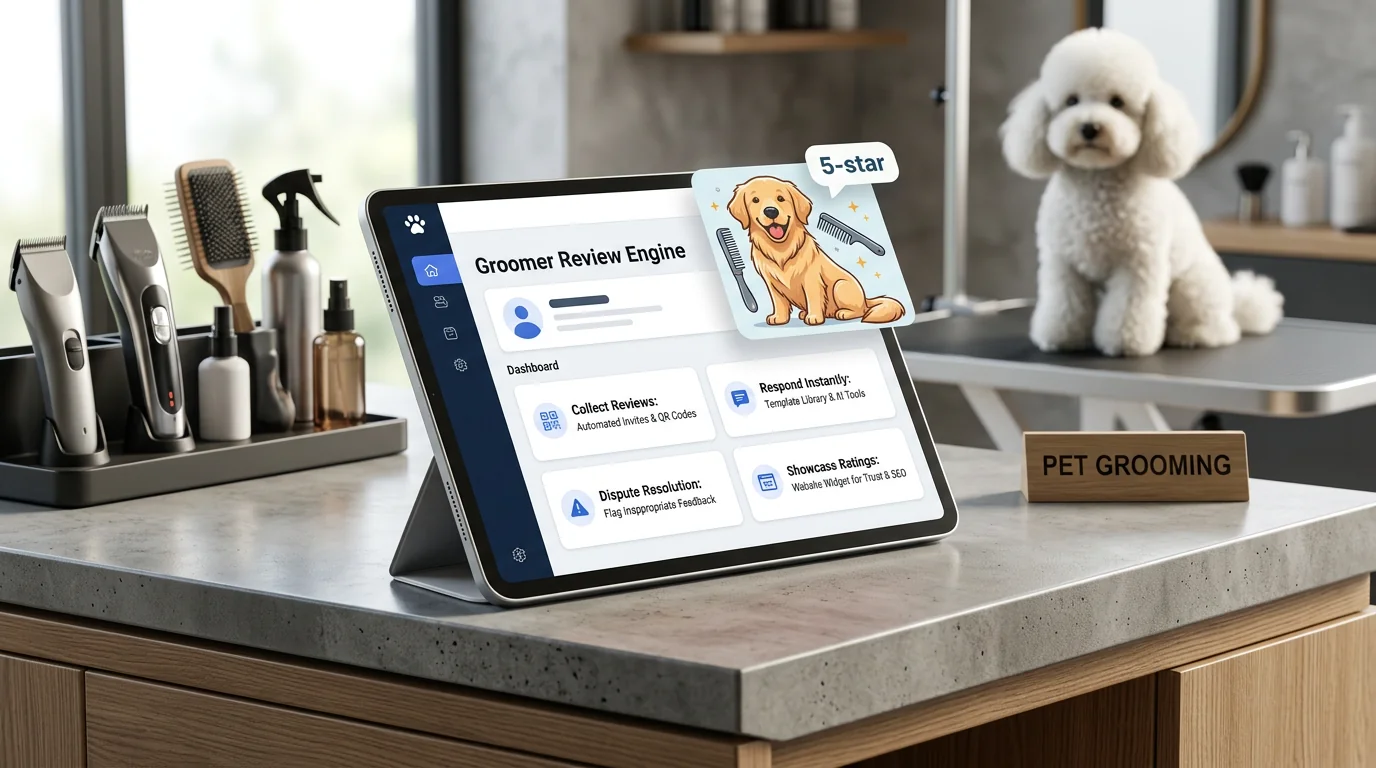
Table of Contents +
- Why reviews matter for grooming SEO and bookings
- Compliant review request flows that groomers can implement this week
- Quick decision guide: what to do in common review scenarios
- Response templates for positive, neutral, and negative reviews
- Dispute and removal pathways without overstepping policies
- Leverage reviews on your site for trust and SEO
- Monitoring and iteration: what to watch after 7-14 days and 4-8 weeks
- Practical safety boundaries for reviews and privacy
- Evidence status: what research and platform guidance suggest
- How this connects to your grooming SEO strategy
- Frequently Asked Questions
- Conclusion
- References
Learn compliant ways to request reviews, respond to feedback, dispute issues, and showcase ratings to boost trust and local SEO for grooming businesses.
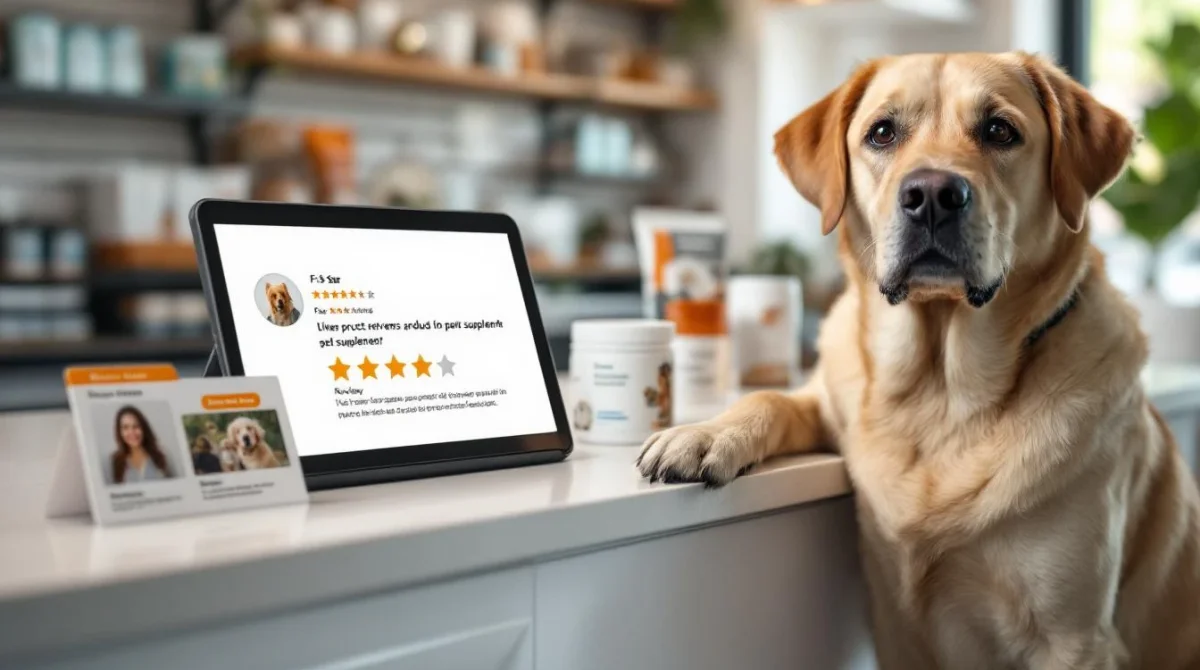
Your next booking may start with a rating. Prospective clients scan groomer reviews before they call. They judge trust, care, and reliability within seconds.
Consistent, compliant reviews reduce friction and support local visibility. This guide explains request flows, response templates, dispute options, and on-site displays. You will learn how to handle low volume and uneven feedback using practical, policy-safe steps.
Why reviews matter for grooming SEO and bookings
Signals that may influence local rankings and conversion
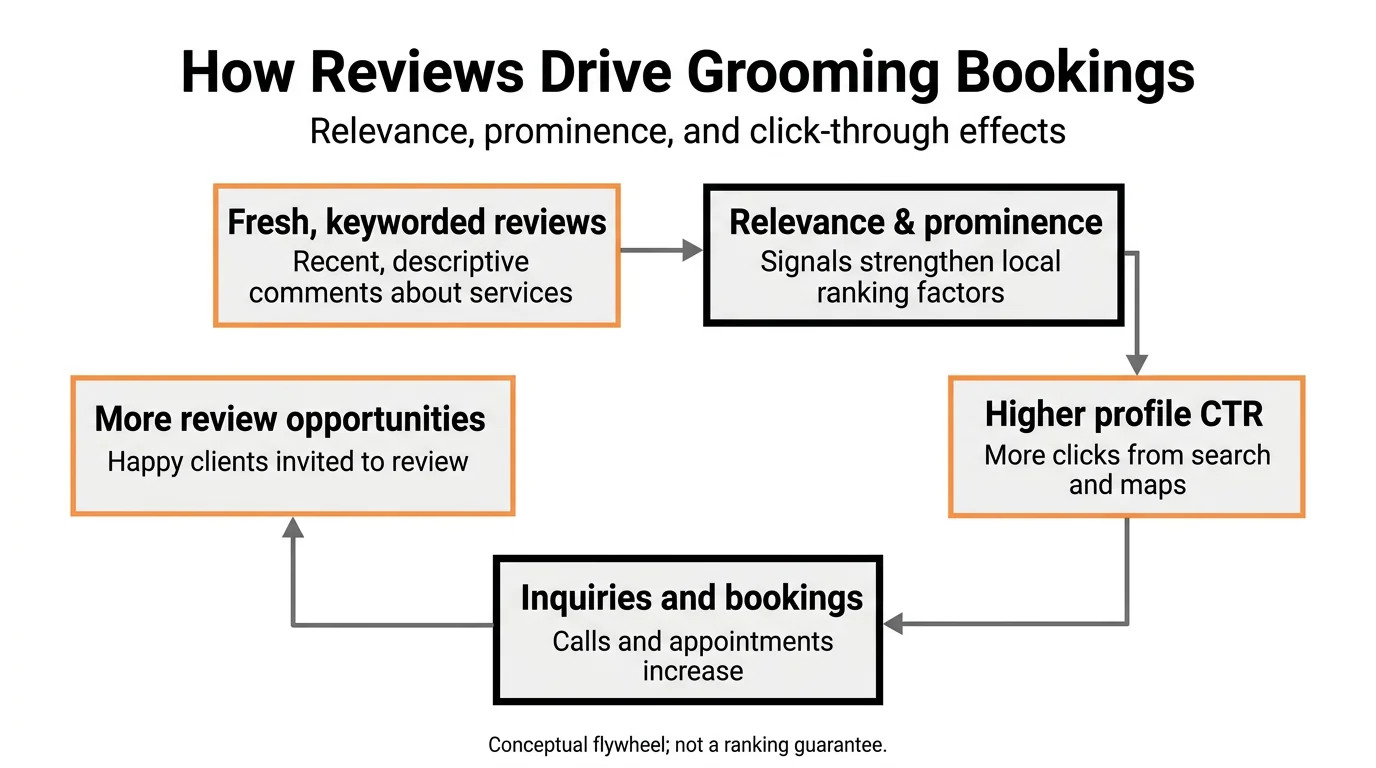
Fresh, descriptive reviews may support relevance, prominence, and click-through. Keywords in grooming business reviews can reinforce services and neighborhoods. Volume and recency help prospects feel confident to book. Research indicates online reviews shape brand reputation and decision intent across industries.[1] See our grooming SEO hub for broader context on ranking fundamentals.
Common bottlenecks: low volume, policy risks, slow replies
Typical obstacles include sporadic asks, asking on the wrong channel, or non-compliant wording. Slow responses can let negative sentiment set the tone. Unclear ownership inside the team leads to missed chances. Local SEO for groomers benefits from a documented, consistent process.
Petbase writes and publishes this kind of content automatically - 10 SEO articles per month for pet businesses - start your free trial.
Compliant review request flows that groomers can implement this week
Timing and triggers: post-appointment, rebooking, and reminders
Ask within 2-24 hours after checkout while the experience is fresh. Add a second reminder at 5-7 days for non-responders. Pair the ask with rebooking prompts. Use calendar triggers in your CRM to automate timing without spamming.
Message templates for SMS, email, and in-person QR
SMS: “Thanks for visiting today. May we request a quick review on Google? [Short link]. Your feedback helps neighbors choose confidently.” Email: concise subject, single button, one link. In-person: a QR at checkout with “Share a quick review to help our team improve.”
Opt-in, consent, and platform policy considerations
Obtain explicit SMS and email opt-ins. Avoid sentiment screening or “only if happy” asks. Use one direct link to your chosen platform, such as Google reviews for groomers. Keep language neutral, avoid incentives, and follow country-specific messaging rules.
Quick decision guide: what to do in common review scenarios
If-then actions for 5-7 high-frequency situations
- If the client praises speed, then reinforce that strength and invite rebooking.
- If feedback is mixed, then thank them and ask one clarifying question offline.
- If there is a clear service miss, then apologize and propose a resolution window.
- If no response to the ask, then send one reminder after 5-7 days.
- If review seems inauthentic, then gather evidence and prepare a policy-based dispute.
- If staff is named positively, then acknowledge the team member publicly.
Response templates for positive, neutral, and negative reviews
Positive: reinforce what worked and invite repeat business
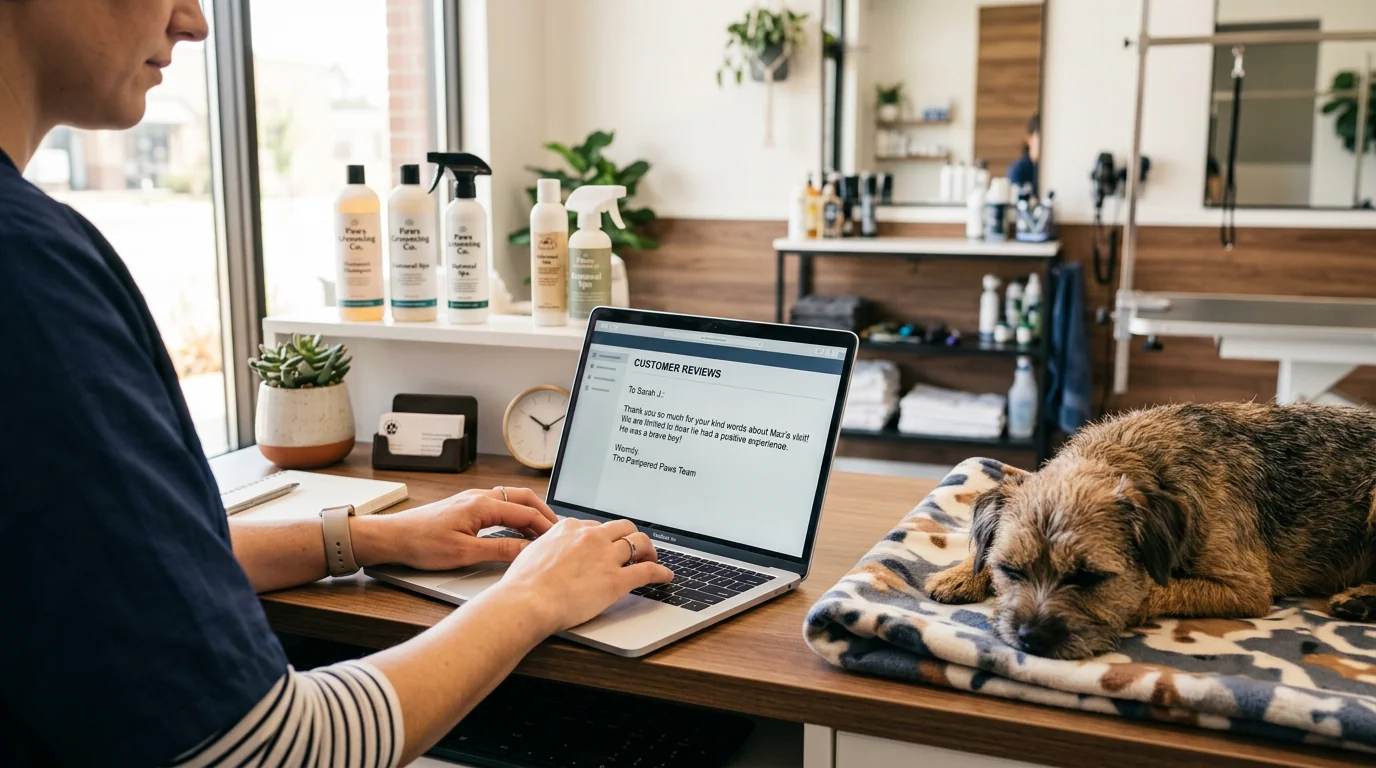
“Thank you for the kind words. We’re glad the appointment met your expectations. We’ve noted your preferred style for next time. When you’re ready, we can secure your next slot anytime.” Timely, appreciative responses may deepen loyalty and encourage future recommendations.[3]
Neutral: clarify and invite offline follow-up
“Thank you for the balanced feedback. We want every detail right. If you are open to it, please contact us at [direct line], and we will review notes and options together.” Keep specifics private and solutions clear.
Negative: empathetic acknowledgment and resolution path
“We’re sorry your experience fell short. We take this seriously and aim to make it right. Please call [manager] at [number] so we can resolve this promptly.” Avoid defensiveness, protect personal data, and outline next steps.
Dispute and removal pathways without overstepping policies
When evidence suggests a violation (spam, off-topic, conflict)
Consider dispute only if the content appears unrelated to your service, includes prohibited content, or indicates a conflict of interest. Do not argue opinions. Focus on objective guideline breaches. File when you have clear, dated evidence.
Documentation checklist and how to file with major platforms
Collect appointment records, internal notes, screenshots, and policy excerpts. Submit through the platform’s reporting tool with concise, factual language. Track case IDs and timelines. Escalate only if new evidence emerges. Expect variable processing times and outcomes.
Leverage reviews on your site for trust and SEO
Placement: homepage, service pages, and location pages
Feature rotating quotes on the homepage near booking calls-to-action. Add relevant testimonials to service pages to match intent. Use city-tagged reviews on location pages to support proximity relevance and trust for neighborhood searches.
Schema markup and UGC best practices
Use Review and AggregateRating schema where appropriate, reflecting on-page content and sources. Attribute quotes to their platforms and keep timestamps. For internal linking and schema details, see on-page SEO for grooming websites.
Avoiding thin or manipulative implementations
Do not auto-generate reviews or duplicate the same testimonial across many pages. Avoid gating or inflated widgets. Keep review snippets contextual, verifiable, and minimalistic to speed page load and preserve authenticity.
Monitoring and iteration: what to watch after 7-14 days and 4-8 weeks
Short-term signals: response rate, request opt-ins, review velocity
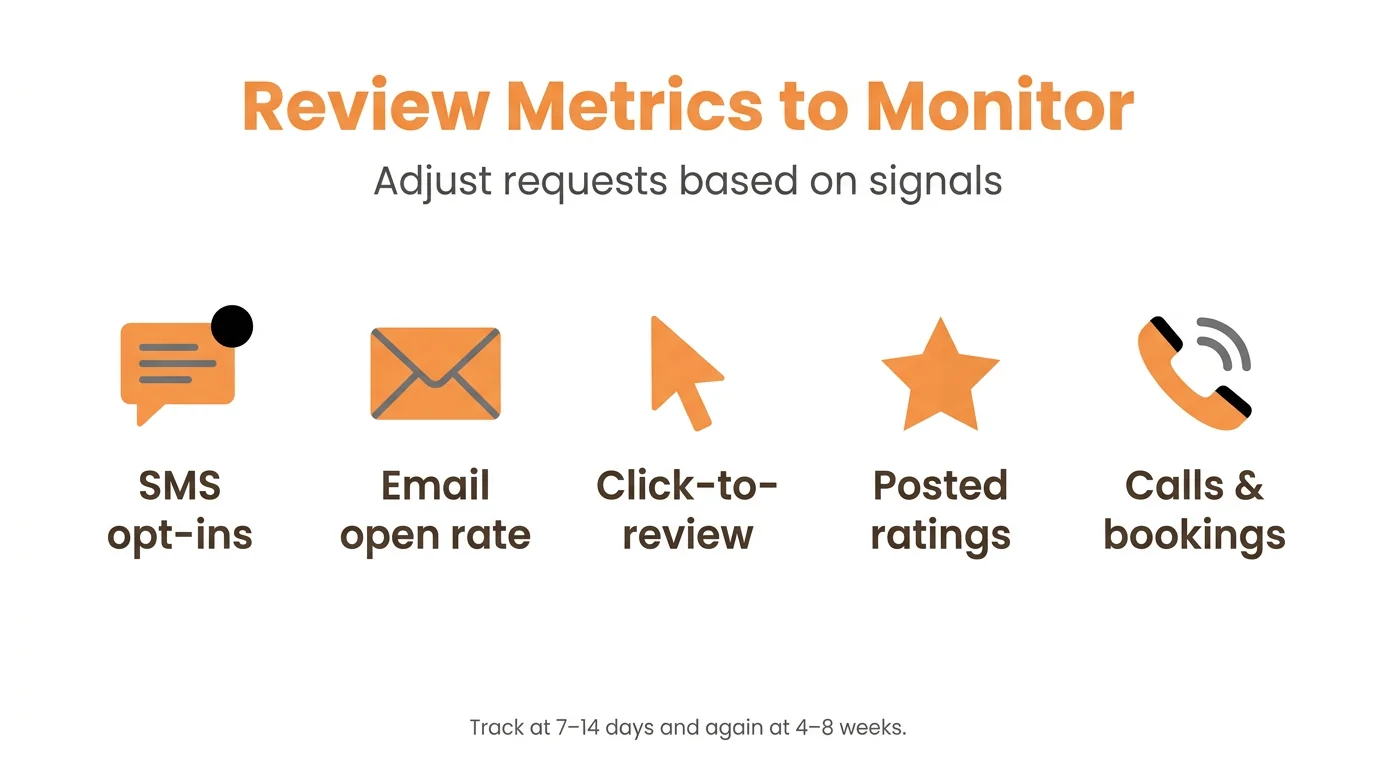
Within 7-14 days, review SMS opt-in percentage, email open rate, and click-to-review rate. Monitor how many requests convert to posted ratings. Use controlled tests on subject lines, send times, and QR placement to improve review velocity.[4]
Mid-term signals: average rating, keyword themes, conversions
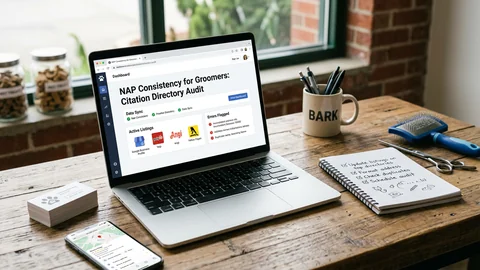
Across 4-8 weeks, track average rating stability, volume per platform, and recurring keywords in groomer reviews. Map changes to bookings and calls. For instrumentation ideas, see SEO KPIs for grooming shops to track review velocity and booking attribution.
Practical safety boundaries for reviews and privacy
No incentives, no gating, protect customer data
Avoid discounts, gifts, or contests tied to reviews. Request feedback from all consenting customers equally. Never publish personal data in responses. Store review request logs and consent records securely, with limited internal access.
Team training and escalation rules
Standardize who asks, when, and how. Create a playbook for responses, including tone, red lines, and handoff points to a manager. Review samples weekly to ensure consistency and reduce compliance risks across platforms.
Evidence status: what research and platform guidance suggest
How reviews may support local pack visibility and CTR
Scholarly work indicates that structured online reputation management can enhance perceived credibility and influence user choice, which may support higher click-through in local results when combined with accurate listings.[2]
Limits and uncertainties to keep in mind
Algorithms change, and platforms weigh signals differently across markets. Review recency and response quality help, yet they do not guarantee rank gains. Focus on consistency, policy compliance, and customer experience to manage risk.
How this connects to your grooming SEO strategy
Linking reviews to local pages, GBP, and content cadence
Align keywords appearing in reviews with your location and service pages to reinforce relevance. Keep your Google Business Profile synchronized; see Map Pack setup and optimization. Pair ongoing reviews with consistent content publishing using tools like Petbase AI to sustain topical authority.
Frequently Asked Questions
How many reviews should a grooming business aim for each month?
Evidence suggests steady, recent reviews may support trust and visibility. Many local businesses target 3-10 new reviews monthly, adjusted for appointment volume. Keep the flow consistent rather than spiky, and avoid policy-risky tactics.
Is it okay to offer discounts for reviews?
Most platforms discourage or prohibit incentives. It may risk removal or account issues. Focus on compliant, friction-light requests and excellent service moments. Document opt-ins, and send neutral, non-leading language that invites honest feedback.
How fast should I respond to a negative review?
Within 24-48 hours is often advisable. Acknowledge the concern, avoid sharing personal data, and invite the customer to continue the conversation offline. Provide a direct line and a simple resolution path with clear ownership.
Can I ask only happy customers to leave a review?
Review gating is typically against platform policies. Use neutral, consistent requests to all customers who consent, and avoid screening for sentiment. Provide a single review link and a simple opt-out for future messages.
Where should I show reviews on my grooming website?
Place reviews on the homepage, service and breed-specific pages, and location pages. Mark up testimonials with appropriate schema and cite sources where possible. Keep snippets concise, fast-loading, and relevant to the page topic.
Conclusion
Inconsistent or low review volume is solvable with a compliant, lightweight system. Ask at the right moments, respond with empathy, and showcase authentic quotes where they matter most. Monitor early signals and iterate. Over 4-8 weeks, expect steadier visibility and improved booking confidence. Combine reviews with accurate listings, thoughtful on-page structure, and local content cadence. Together, these elements build trust, support discovery, and help your grooming business grow responsibly.
References
- AM Zahran et al. (2025). UNDERSTANDING THE INFLUENCE OF ONLINE REVIEWS ON BRAND REPUTATION IN THE DIGITAL AGE. International Journal of …. View article
- N Şirzad (2022). A review on online reputation management and online reputation components. Doğuş Üniversitesi Dergisi. View article
- J Perez-Aranda et al. (2019). Hotels' online reputation management: benefits perceived by managers. … Hospitality Management. View article
- R Ratnayaka et al. (2024). INTEGRATED FRAMEWORKS FOR EFFECTIVE ONLINE REPUTATION MANAGEMENT: A COMPREHENSIVE REVIEW OF THEORETICAL MODELS AND …. Revista de Gestão Social e …. View article