Pet Product Page Optimization: Schema, Copy, and UGC That Convert

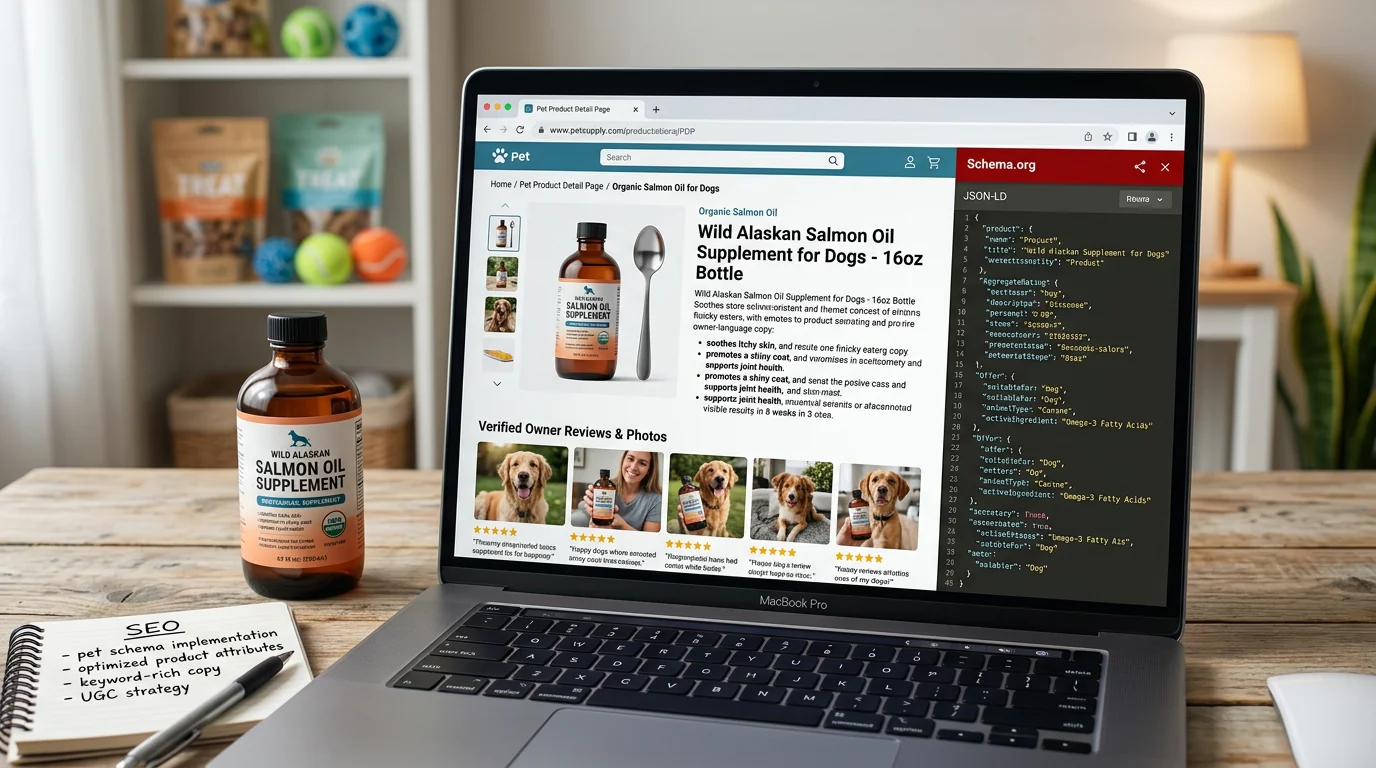
Table of Contents +
- Scenario: Upgrading pet PDPs with attributes, structured data, and owner-language
- Schema that aligns with pet buyer intent
- Owner-language copy that reduces friction
- UGC patterns that convert without clutter
- Quick decision guide
- Monitoring and diagnostics
- Practical safety boundaries
- Evidence status
- Implementation blueprint
- Frequently Asked Questions
- Conclusion
- References
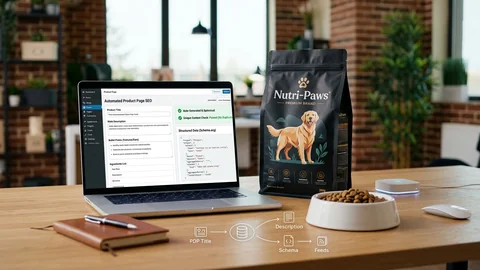
Upgrade pet PDPs with pet-specific schema, owner-language copy, and UGC patterns that may lift visibility and conversions for pet brands and retailers.
Decision-stage shoppers want confidence, not guesswork. They need proof that a product fits their pet’s size, life stage, and routine. They also want to see authentic results from people like them.
This matters because structured data, precise attributes, and owner-language copy can reduce friction and lift conversion. In this guide, you will learn how to upgrade PDPs with pet-specific attributes, align pet product schema with intent, and apply UGC patterns that inform decisions without clutter.
Scenario: Upgrading pet PDPs with attributes, structured data, and owner-language
Why pet-specific detail matters at decision stage
Pet purchasing hinges on compatibility and safety. Shoppers want clear signals on size, breed fit, materials, and care. Evidence from conversion optimization research suggests resolving uncertainty earlier can reduce abandonment and improve intent follow-through, especially on product pages[1]. Pet PDP optimization should therefore prioritize specific attributes and support signals that answer owner questions fast.
Baseline audit: what to collect before changes
Capture current metrics before edits. Log impressions, CTR, and snippet types, plus conversion, AOV, and return reasons. Export existing attributes per SKU, including size, life stage, materials, and care. Record review volume, Q&A coverage, and schema validity. Save render screenshots and product content blocks for comparison. Establish a clean baseline to attribute later lifts accurately.
Petbase automates SEO content for pet stores - publishing 10 optimized articles monthly so you can focus on running your shop - start your free trial.
Schema that aligns with pet buyer intent
Minimum viable Product schema for pet PDPs
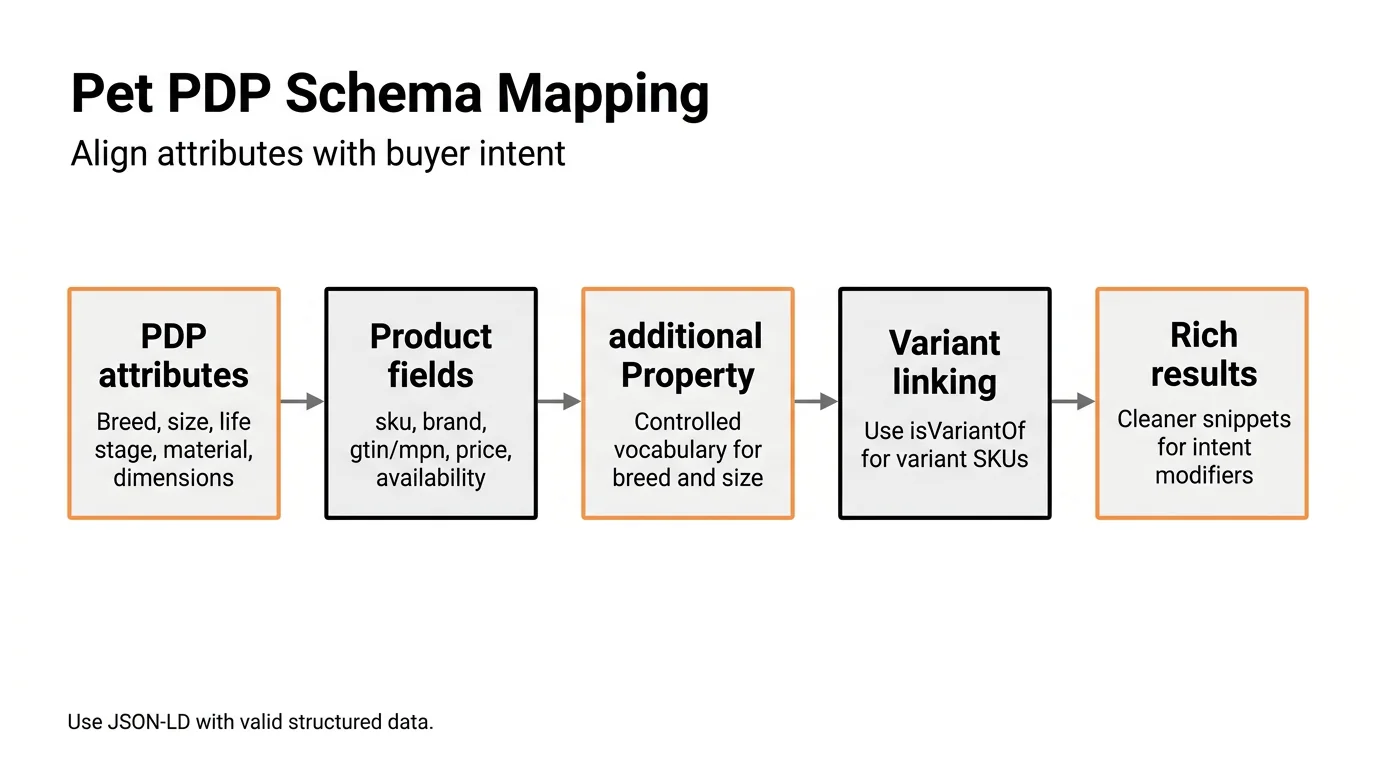
Start with Product, Offer, AggregateRating, and Review where available. Include sku, brand, price, availability, gtin or mpn, dimensions, and material where relevant. Use additionalProperty for pet-specific facets. Align fields with what shoppers weigh during evaluation. Structured signals that map to known entities can help search systems connect inventory with intent more reliably[2]. This foundation supports pet product schema clarity.
Breed/size/life-stage attributes and how to encode them
Encode breed, size, and life stage as additionalProperty with propertyID and a consistent controlled vocabulary. For variant SKUs, use isVariantOf with variant-specific Offers and attributes. Commonsense attributes, like “chewer level” or “coat length,” can be represented as categorical values to reduce ambiguity. Research indicates structured commonsense can enhance matching and recommendations in e-commerce contexts[3].
Review, Q&A, and pros/cons signals via structured data
Mark up individual Review objects with reviewRating, author, and reviewBody. Add AggregateRating at the product level. Represent common questions using FAQPage or QAPage, depending on your format. Summarize pros and cons within on-page copy and reviews rather than inventing unsupported schema fields. These social signals may strengthen trust and orientation at the decision point[1].
PDP schema checklist and validation workflow
Checklist: Product with Offer and price/availability; sku and identifiers; pet-specific additionalProperty; review and rating objects; Q&A markup; image and video objects; canonical and GTM validation notes. Validate in Rich Results Test and inspect with your browser’s schema viewer. If using programmatic templates, consider safe patterns in Programmatic SEO for pet catalogs to avoid over-markup.
After publishing, confirm crawl and render parity, test multiple PDPs, and monitor coverage in GSC. To understand how schema contributes to emerging surfaces, review the AI visibility master overview. Maintain a change log for quick rollback if snippets degrade.
Owner-language copy that reduces friction
Message map: concerns by species, breed, and life stage
Map owner concerns to copy blocks. Size and fit, durability and chew level, digestibility and ingredient sourcing, and care and cleaning routines often influence purchase. Owner-language copy should mirror how customers describe needs, not internal jargon. Framing by breed and life stage helps shoppers self-select confidently, while avoiding overpromising on outcomes.
Copy blocks: headline, benefit bullets, fit/compatibility, care
Use a headline that states the core benefit in plain terms. Follow with 3-5 bullets addressing fit, materials, safety, and expected use. Add a compatibility block specifying size and life-stage suitability, and link contextually to relevant categories like toys for large breeds. Close with concise care instructions and what to expect after first use. For internal link structure, see From Blog to Basket: Internal Linking Blueprints for Pet eCommerce.
Tone guardrails to avoid medical claims
Avoid diagnosing, treating, or curing language. Prefer cautious phrasing, such as “may support healthy play” or “formulated for adult maintenance.” Point to materials, fit notes, and care guidelines instead of promising outcomes. This keeps claims compliant and reduces risk while preserving clarity.
UGC patterns that convert without clutter
Photo/video reviews with pet descriptors
Encourage reviewers to include pet descriptors like size, life stage, and activity level. Request short clips showing the product in realistic use. Photo and video UGC for eCommerce can provide powerful context without long copy. Summaries highlighting typical fit outcomes may reduce returns and indecision.
Q&A modules that capture long-tail intent
Q&A should surface real compatibility and care questions. Tag entries with relevant attributes to support internal search and schema. Frequently asked questions can be promoted into FAQPage markup to target long-tail queries, improving product discoverability and owner confidence[2].
Moderation and authenticity safeguards
Display verified purchase badges, require media consent, and flag out-of-scope or unsafe tips. Publish a clear review policy and disclose incentives. Evidence suggests consistent, transparent moderation supports trust and reduces friction around social proof on PDPs[1].

Quick decision guide
If-then actions for common PDP situations (5-7 cases)
- If returns cite “wrong size,” then add explicit breed/size guidance, a measurement chart, and attribute tags in schema.
- If reviews are low but traffic is high, then trigger post-purchase UGC requests and surface Q&A prompts.
- If rich results are missing, then validate Product and Offer fields, and add AggregateRating with sufficient review count.
- If description is long yet unclear, then restructure into headline, bullets, compatibility, and care sections with scannable labels.
- If mobile bounce is high, then front-load fit and materials above the fold and compress hero media.
- If category cannibalizes PDP, then clarify use-case differentiation and add internal links to complementary SKUs.
Monitoring and diagnostics
7-14 day checks: health and indexing signals
Confirm valid schema via Rich Results and inspect live code to ensure no rendering loss. In GSC, watch Coverage, Enhancements, and product snippet appearance. Track snippet changes and CTR on priority SKUs. Use assisted revenue and SERP feature tracking to contextualize early shifts in visibility patternsMeasure AI Visibility Beyond Rankings: AOV Boxes, Snippets, and Assisted Revenue.
4-8 week checks: conversion and query mix shifts
Evaluate conversion rate, AOV, return reasons, and PDP dwell time. Compare query mix for breed, size, and life-stage modifiers. Research indicates personalization and structured signals may influence ranking and recommendation systems over longer windows[4]. Attribute lifts cautiously, controlling for promotions and seasonality.
Practical safety boundaries
Medical, compliance, and claims constraints
Do not imply treatment, prevention, or cure. Avoid dosage advice unless approved and compliant. For ingestibles, present factual guaranteed analysis and feeding guidelines. Use disclaimers where required. Keep owner-language clear and cautious, avoiding unverifiable outcomes or implied certifications.
Data integrity for attributes and reviews
Ensure attribute sources are traceable to suppliers or labelling. Keep variant-level data accurate and synced with inventory. Remove fraudulent reviews and disclose incentives. Misaligned attributes or misleading social proof can damage trust and introduce legal exposure.
Evidence status
What industry data and tests suggest
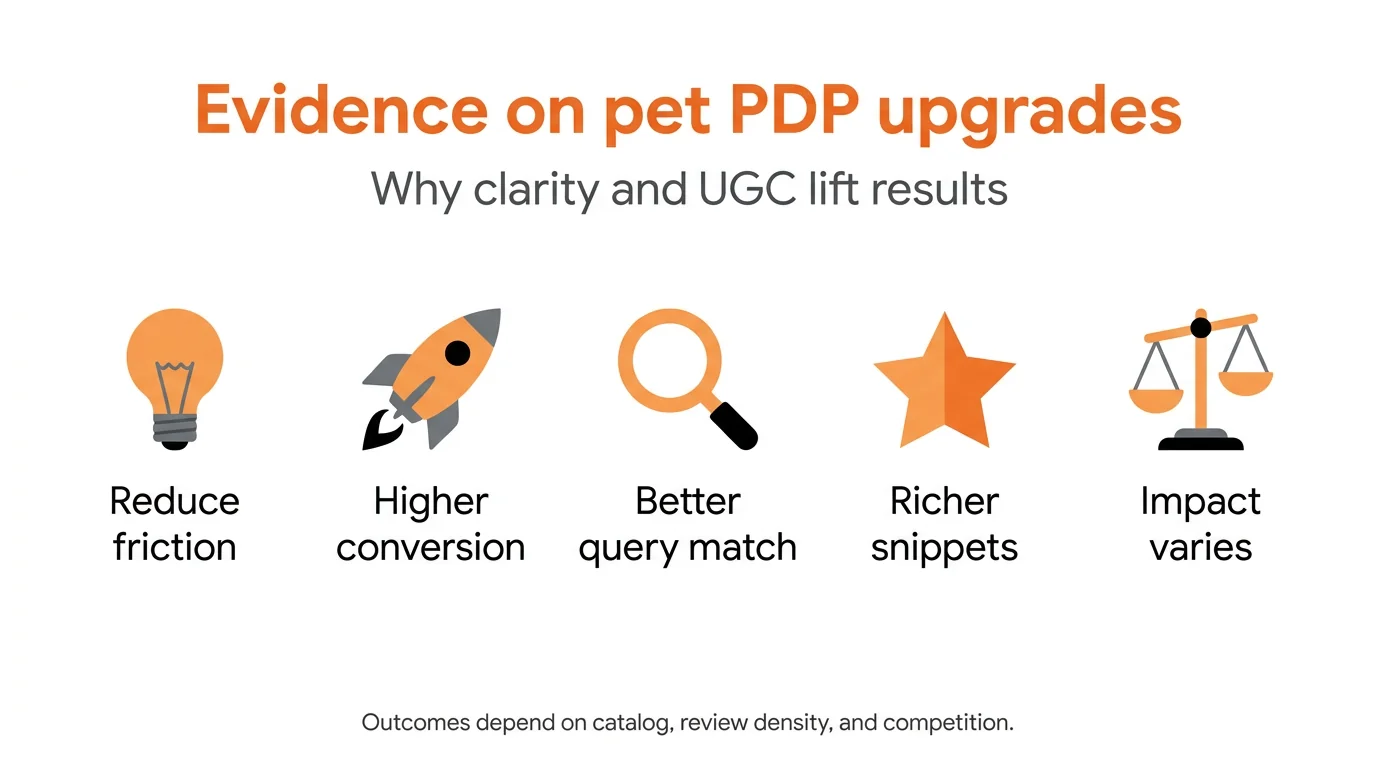
CRO literature emphasizes reducing decision friction on PDPs through clear value communication and social proof, which may improve conversion[1]. E-commerce knowledge graphs show benefits from structured attributes that help systems interpret product suitability and intent[2].
Where uncertainty remains
Impact varies by catalog size, review density, and competitive dynamics. Algorithmic changes and emergent AI surfaces shift snippet eligibility and query routing. Commonsense representation appears promising but context-dependent across categories and locales[3]. Plan iterative tests with proper controls and seasonality adjustments.
Implementation blueprint
Template updates for Shopify/WooCommerce
In theme templates, add JSON-LD for Product, Offer, AggregateRating, and Review. Expose additionalProperty for breed, size, and life stage at variant level. Map metafields or attributes to schema consistently. For Shopify pet SEO, ensure product options mirror front-end selectors and produce crawlable variant URLs only when needed. Reuse safe schema blocks across templates to limit maintenance. Cross-check with Programmatic SEO for Pet Catalogs: Safe Templates by Breed, Size, and Life Stage before scaling.
Content ops: sourcing attributes and UGC at scale
Standardize attribute intake from suppliers with controlled vocabularies. Add UGC prompts at post-purchase day 10 and 30, requesting media and pet descriptors. Route Q&A into a moderation queue with tagging rules. Many teams automate research and drafting with tools like Petbase AI to keep pet-specific attributes, owner-language copy, and schema in sync at scale. Document naming conventions and escalation paths for claims-sensitive content.
Frequently Asked Questions
Which schema types help pet product pages most?
Product with Offer, AggregateRating, Review, and FAQPage markup may help search engines understand availability, price, and social proof. Pet-specific attributes can be embedded as additionalProperty or defined via product variants.
How do I write copy that speaks to pet owners without overpromising?
Use owner-language that reflects real concerns like durability, digestibility, and fit by breed or size. Avoid medical claims; prefer cautious phrasing and reference care instructions and materials.
What UGC elements tend to improve conversions on pet PDPs?
Photo/video reviews featuring the pet, Q&A with breed/size context, and pros/cons summaries may reduce uncertainty. Highlight verified purchase badges and moderation guidelines.
How soon can I expect results from PDP schema and copy updates?
Indexing changes may appear within 7-14 days, while meaningful conversion and query mix shifts often need 4-8 weeks depending on crawl rate and traffic volume.
Can I mark nutrition or health claims in schema?
You can include factual attributes like guaranteed analysis as additionalProperty. For health claims, use cautious language and avoid unsupported medical assertions in copy and markup.
Conclusion
Precision wins on pet PDPs. When attributes reflect breed, size, and life stage, and schema aligns with buyer intent, shoppers can decide faster. Owner-language copy and curated UGC add clarity without noise. Implement safely, monitor methodically, and iterate with disciplined tests. With a stable schema foundation and focused messaging, your pet product pages may gain visibility and earn more confident conversions over time.
References
- D Croxen-John et al. (2020). E-commerce website optimization: Why 95% of your website visitors don't buy, and what you can do about it. 2020 - books.google.com. View article
- FL Li et al. (2020). AliMeKG: Domain knowledge graph construction and application in e-commerce. Proceedings of the 29th …. View article
- X Luo et al. (2021). Alicoco2: Commonsense knowledge extraction, representation and application in e-commerce. Proceedings of the 27th …. View article
- G Kostopoulos et al. (2026). Deep Learning for e-Commerce: Recent Developments in Prediction, Personalization and Decision Intelligence. Applied Sciences. View article