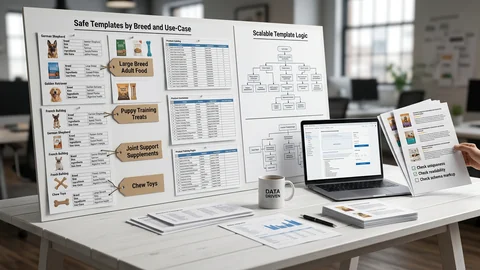
Winning AI Overviews for Pet Queries: Breed, Condition, and Use-Case Plays


Table of Contents +
- Scope and scenario: one playbook for intent-rich pet queries
- Research inputs that AI Overviews seem to reward
- On-page structure: the Breed-Condition-Use-Case template
- Quick decision guide
- Structured data and technical signals
- Monitoring: what to check at 7-14 days and 4-8 weeks
- Practical safety boundaries
- Evidence status and claim discipline
- Worked example: “best indestructible dog toy for pit bulls”
- Next steps and links
- Frequently Asked Questions
- Conclusion
- References
How pet brands can earn AI Overviews for breed, condition, and use-case queries. Practical patterns, data signals, and safety limits for reliable visibility.
Intent-rich pet searches are surging, and AI Overviews now summarize answers before organic results. The brands that win will speak to breed, condition, and use-case nuances with precision.
This matters because generic product pages miss qualification details AI models prefer. You will learn a tight, repeatable playbook to earn inclusion for focused intents. Expect entity mapping, structured criteria, and measured monitoring.
Scope and scenario: one playbook for intent-rich pet queries
Why AI Overviews favor breed, condition, and use-case patterns
AI Overviews evaluate specificity, safety qualifiers, and evidence-backed criteria. Queries framed by breed, condition, or use-case reveal clear intent signals. Structured content that answers these signals may improve AI search visibility.
Define the target: e.g., “best indestructible dog toy for pit bulls”
Choose one intent-rich phrase with explicit modifiers. For example, “best indestructible dog toy for pit bulls” combines use-case and breed. Narrow the scope, set eligibility, and constrain recommendations by material, size, and supervision context.
Petbase writes and publishes this kind of content automatically - 10 SEO articles per month for pet businesses - start your free trial.
Research inputs that AI Overviews seem to reward
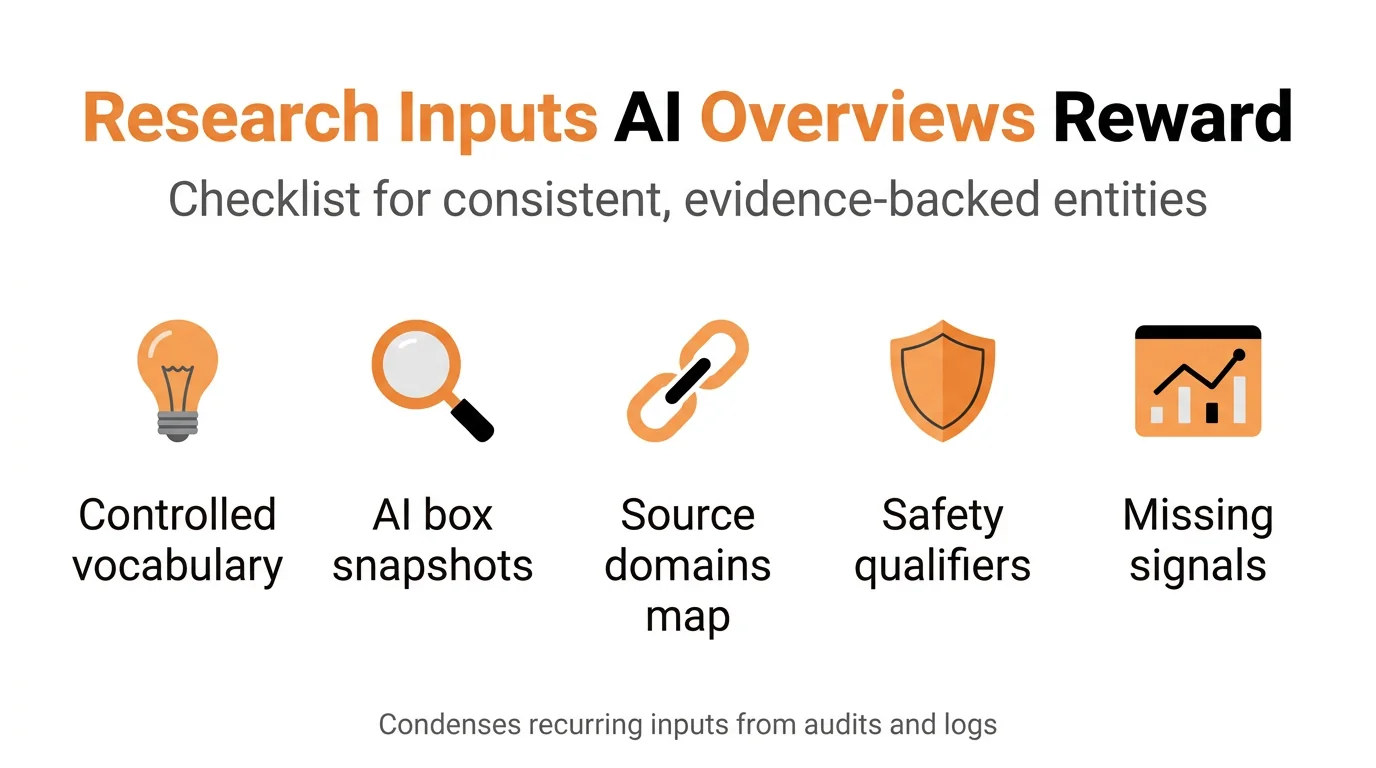
Entity mapping: breed, life stage, size, material, contraindications
Build a controlled vocabulary covering breed traits, jaw strength, life stage, toy materials, and known risks. AI models reward consistent entities with explicit definitions and exclusions, mirroring reliable coding in veterinary informatics[1].
SERP features review: AI Overview snapshots, citations, and gaps
Capture current AI Overview snapshots, source domains, and recurring angles. Note missing breed-specific SEO qualifiers or sparse safety language. Track which entities appear, then aim to address gaps with structured, testable criteria.
Evidence sources: manufacturer data, vet-reviewed references
Prioritize third-party durability tests, manufacturer hardness data, and vet-reviewed notes. Systems trained on standardized pipelines reward consistent, documented metadata and careful claims, enhancing trust signals for pet product SEO[3].
On-page structure: the Breed-Condition-Use-Case template
Intro with scope, eligibility, and safety qualifiers
Open with one sentence defining audience and exclusions. State what is not covered, such as unsupervised play. Mention supervision and sizing rules. Emphasize cautious wording for pet condition queries and ingredient sensitivities.
Criteria table: durability metrics, allergens, sizing guidance
| Criterion | Metric or Evidence | Decision Use |
|---|---|---|
| Durability | Shore A/D hardness; tear/puncture tests | Filter by destructive-chewer threshold |
| Sizing | Muzzle width; weight bracket; jaw leverage | Prevent choking; reduce leverage risk |
| Allergens | Ingredient list; common allergen exclusions | Qualify hypoallergenic claims |
| Materials | Natural rubber, nylon, TPU; coating notes | Match to chewer type and safety |
| Use Context | Indoor, supervised, fetch vs. power-chew | Constrain recommendations |
Shortlist with rationale: pros/cons tied to the criteria
List three to five options. Link each pick to specific test data and breed sizing logic. Add one con per pick, such as potential tooth wear or weight that reduces fetch suitability.
Alternatives and decision boundaries
Offer safe alternatives when no option meets criteria. Define switch points: move from chew toys to enrichment feeders if repeated near-failures occur. Clarify when vet input may be appropriate for sensitivities.
Quick decision guide
If query includes a breed modifier, then align specs to breed traits
Map jaw leverage, typical weight range, and muzzle dimensions. Adjust toy diameter and hardness accordingly. This reinforces breed-specific SEO signals aligned with clear, machine-readable entities and safety notes.
If condition or sensitivity appears, then include exclusion criteria
List excluded allergens or materials. Provide cautious phrasing, such as “may reduce exposure.” Add advice to confirm ingredients with manufacturers when labels change, supporting reliable pet condition queries.
If destructive-chewer intent, then cite material tests and sizing
Reference Shore hardness ranges and puncture tests. Add minimum toy diameter ranges by weight. Mention supervised use and disposal thresholds when surface gouges or cracks appear under inspection.
If hypoallergenic request, then map to ingredient lists and studies
Define hypoallergenic operationally as exclusion of common allergens. Cite manufacturer ingredient lists and any relevant studies. Avoid promising outcomes; focus on exposure reduction and label verification practices.
If life stage is present, then constrain recommendations by age
Segment infant, adult, senior stages and align hardness and size. Softer materials may suit young or senior pets. Specify transition points by weight or dentition development patterns.
If budget cues exist, then add tiered picks with clear trade-offs
Provide value, midrange, and premium options. Describe durability trade-offs and warranty differences. State that higher upfront cost may reduce replacements, but real-world outcomes vary by chewer intensity.
If local intent emerges, then add availability and shipping notes
Add store pickup, regional inventory caveats, and shipping cutoffs. Mention that availability may change. Local signals and stock visibility can aid AI Overview snippets for time-sensitive use-case pet keywords.
Structured data and technical signals
Product, Review, and FAQ schema tuned to the specific use-case
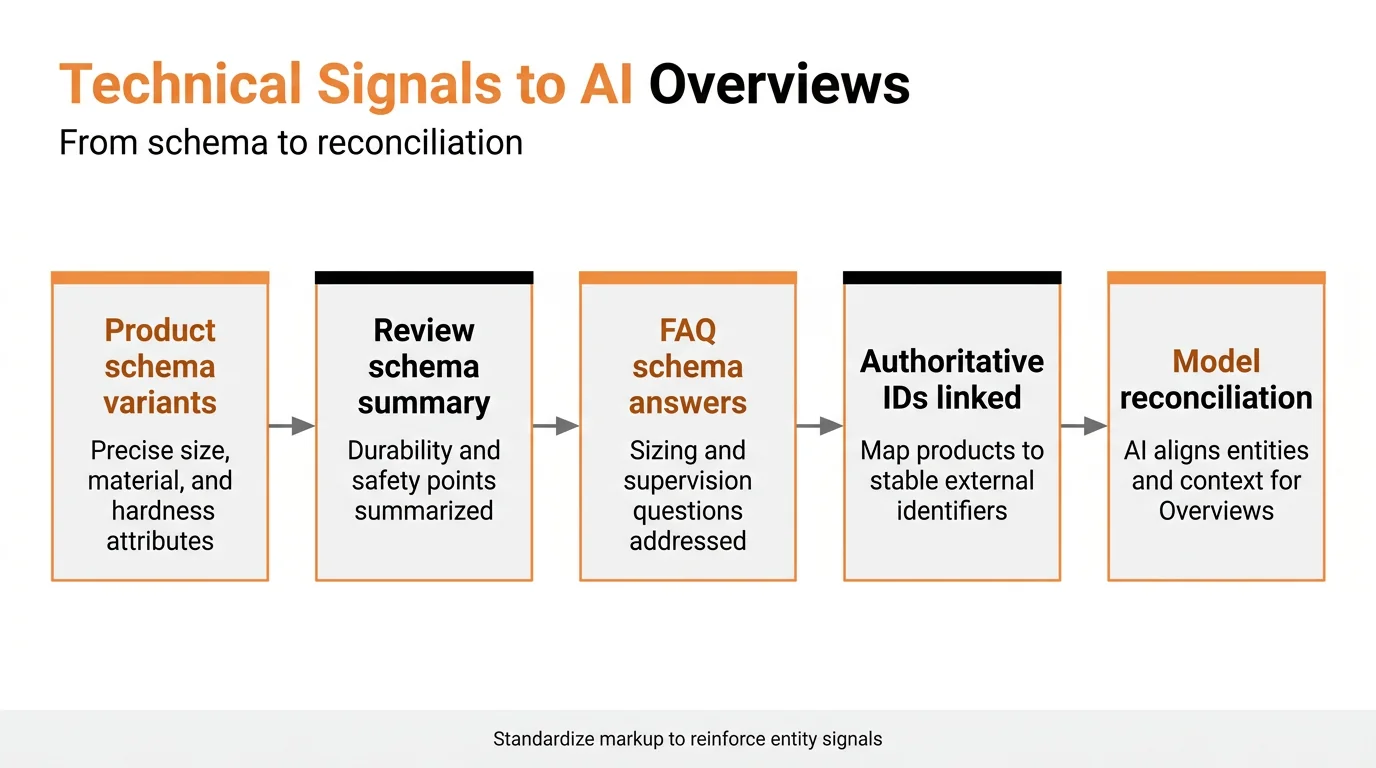
Add Product schema with precise variant attributes, Review schema summarizing durability, and FAQ schema answering safety and sizing. Align properties to criteria fields for machine consistency and better parsing.
Entity linking: breeds, conditions, and materials via IDs where possible
Where authoritative IDs exist, link them. Stable identifiers and consistent descriptors may help models reconcile context, reflecting gains seen when data pipelines enforce standardization[3].
Author, reviewer, and medically reviewed metadata
Include bylines, reviewer roles, and “medically reviewed” stamps when appropriate. Multimodal AI systems benefit from aligned, trustworthy metadata indicating expertise and oversight of sensitive guidance[2].
Monitoring: what to check at 7-14 days and 4-8 weeks
7-14 days: impressions in AI-related SERP features and click mix
Watch impressions in AI boxes, shifts in snippets, and click composition. Tag the page with unique UTM for indirect assists. Compare branded vs. non-branded traffic share and entity-rich queries emerging.
4-8 weeks: citation frequency, dwell patterns, query expansions
Track whether your page appears as a cited source in AI Overviews. Review dwell time, scroll depth, and refinements. For measurement practices, see analytics for AI-driven SERP features in this visibility measurement guide.
Practical safety boundaries
Avoid medical claims; use cautious language and cite sources
State that content is informational and not diagnostic. Use “may support,” “suggests,” or “consider discussing with your vet.” Strong medical claims without evidence risk trust erosion and algorithmic downgrades.
Do not recommend items that conflict with known breed risks
If a breed has airway or dental sensitivity risks, avoid hard materials or small diameters. Algorithmic systems can be sensitive to edge cases, requiring conservative defaults and documentation[4].
Flag choking hazards and supervise-use notes where relevant
Specify minimum toy diameters by weight brackets. Add disposal rules for cracking, deep gouges, or loose parts. Emphasize supervised play and regular inspections to minimize preventable incidents.
Evidence status and claim discipline
What is supported by lab tests vs. anecdotal owner reports
Distinguish manufacturer hardness tests and third-party tear tests from user reviews. Summarize owner patterns cautiously. Structured, codified evidence tends to model better than ad hoc anecdotes in automated systems[1].
How to phrase uncertainty and maintain E-E-A-T
Use calibrated language. Prefer ranges, not absolutes. Attribute sources clearly. Standardized documentation and metadata pipelines often improve machine interpretability and reliability of downstream outputs[3].
When to include vet review or link to clinical references
Add vet-reviewed notes for condition-sensitive topics. Reference ingredient studies where available. Aligned text and review metadata may help multimodal systems assign higher trust to your guidance[2].
Worked example: “best indestructible dog toy for pit bulls”
Criteria: hardness ratings, tear tests, size-to-jaw guidance
Set Shore A 70-95 for power chewers. Require independent puncture or tear thresholds, and minimum diameter aligned to jaw leverage. Document supervised use and discard rules for deep gouges or emerging cracks.
Shortlist with reasons tied to test data and owner feedback
Pick three SKUs with measured hardness, puncture resistance, and large sizes. Explain pros, such as reduced deformation, and cons, like weight or tooth wear risks. For product schema techniques, see product page optimization best practices.
When to switch to enrichment toys or rotate use
If aggressive chewing repeats near-failure, recommend rotating sessions, freezing for hardness modulation, or switching to enrichment feeders. Programmatic guardrails help scale these decisions across catalogs in programmatic SEO for product catalogs.

Next steps and links
Internal connections to product pages and related clusters
Add contextual links from your shortlist to in-stock variants with structured data. Strengthen paths from editorial to commerce using patterns from internal linking blueprints for pet eCommerce to improve assisted conversions.
Return to the AI visibility strategy hub
Standardize this template across breed, condition, and use-case topics to compound topical authority. Coordinate with seasonal publishing and SKU availability from automated editorial calendars for pet brands.
Frequently Asked Questions
How do I structure a page to appear in AI Overviews for pet queries?
Focus on a narrow intent (breed, condition, or use-case), define criteria, map entities, and provide safety qualifiers. Add schema and cite reputable sources. Present concise, testable recommendations with clear eligibility notes.
Do AI Overviews favor medical claims for pet conditions?
Evidence suggests cautious, source-backed guidance performs better than bold claims. Use vet-reviewed notes and avoid diagnostic language. Maintain conservative phrasing and cite ingredients, material safety, or peer-reviewed research where appropriate.
What metrics help with durability queries like indestructible dog toys?
Mention material hardness, tear or puncture tests, size guidance by breed, and supervised-use notes. Reference manufacturer data where available. Provide discard thresholds for cracks or deep gouges to reinforce safety.
How should I handle hypoallergenic pet treat content?
List common allergens, specify exclusion criteria, and cite ingredient labels or studies. Use careful wording such as “may reduce exposure.” Encourage verification with manufacturers because formulations sometimes change without notice.
How long until changes impact AI Overview inclusion?
You may see early signals in 1-2 weeks, with more stable inclusion patterns over 4-8 weeks as engagement and citations develop. Monitor impressions, cited-source appearances, dwell time, and query refinements carefully.
Conclusion
Winning AI Overviews for breed, condition, and use-case queries requires disciplined entity mapping, safety-forward criteria, and measured iteration. Start narrow, validate with data, and document exclusions. Evidence-informed structure and precise schema may improve discoverability.
Automate consistency across pages and monitor inclusion windows at two and eight weeks. Many brands streamline entity research and publishing with Petbase AI, then refine based on engagement signals. Return to the AI visibility strategy hub for the broader framework.
References
- S Farrell et al. (2023). PetBERT: automated ICD-11 syndromic disease coding for outbreak detection in first opinion veterinary electronic health records. Scientific reports. View article
- W Jiao et al. (2026). Vision-language models for automated 3d pet/ct report generation. Proceedings of the IEEE …. View article
- T Karjalainen et al. (2020). Magia: robust automated image processing and kinetic modeling toolbox for PET neuroinformatics. Frontiers in …. View article
- T Shi et al. (2023). Metabolic anomaly appearance aware U-Net for automatic lymphoma segmentation in whole-body PET/CT scans. … Health Informatics. View article